February’s storms have stirred that stupid feeling within us, Eros has fired his heart shaped bow into our collective ass. Valentine’s Day has snuck up on us once again, and we’re divided into two groups: the cynics and the lovers.
However, we have put it upon ourselves to try to unite them. The thing is, everyone can appreciate the day of love, whether they have a lover or not. The secret? Art.
We’ve lived in civilisation for over 60 centuries. There have been more than enough works of literature, cinema, music and fine art that have interrogated the theme of love (and lust) with nuance, care and even careful subversion. We’ve given you the gift of a list to inspire you this season of love, and to urge you to embrace it. A list which lacks rom coms (although they do live in our hearts), and that is decidedly less fromagey. One in which you’ll find a mix of burning desire, parody and even tragedy, all in a beautiful way.
This list is not exhaustive by any means at all, but serves rather as a curated collection for those who have graduated from hopeless romantics to hopeful appreciators of all things amorous.
Book: bell hooks, all about love: New Visions (2000)
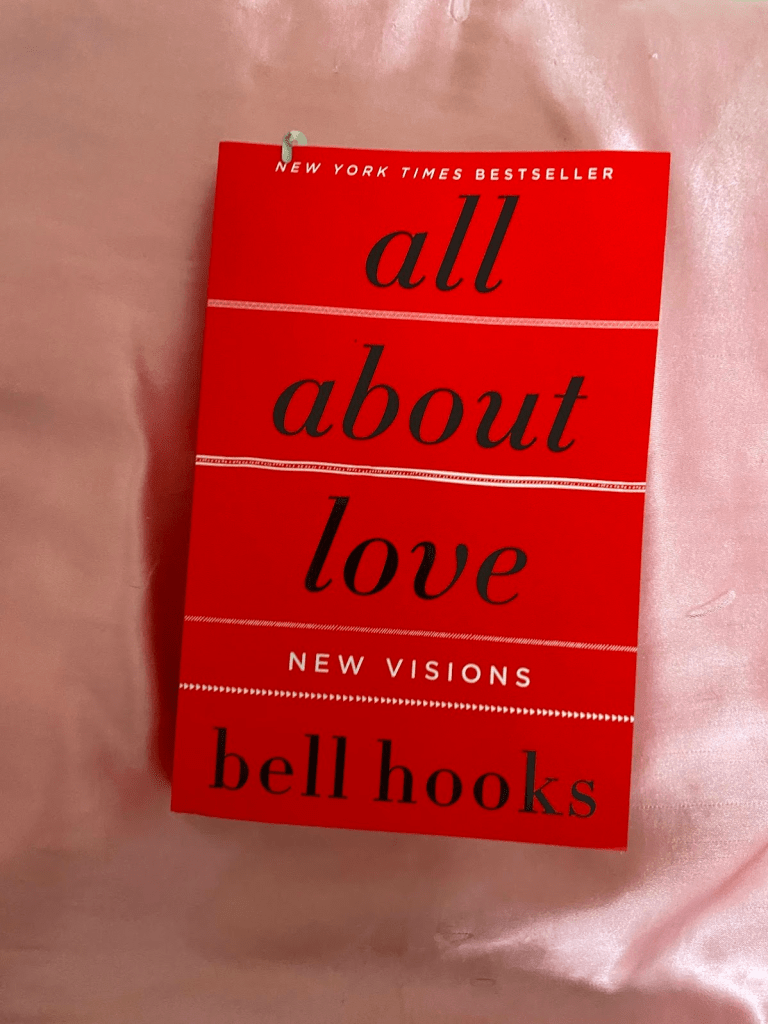
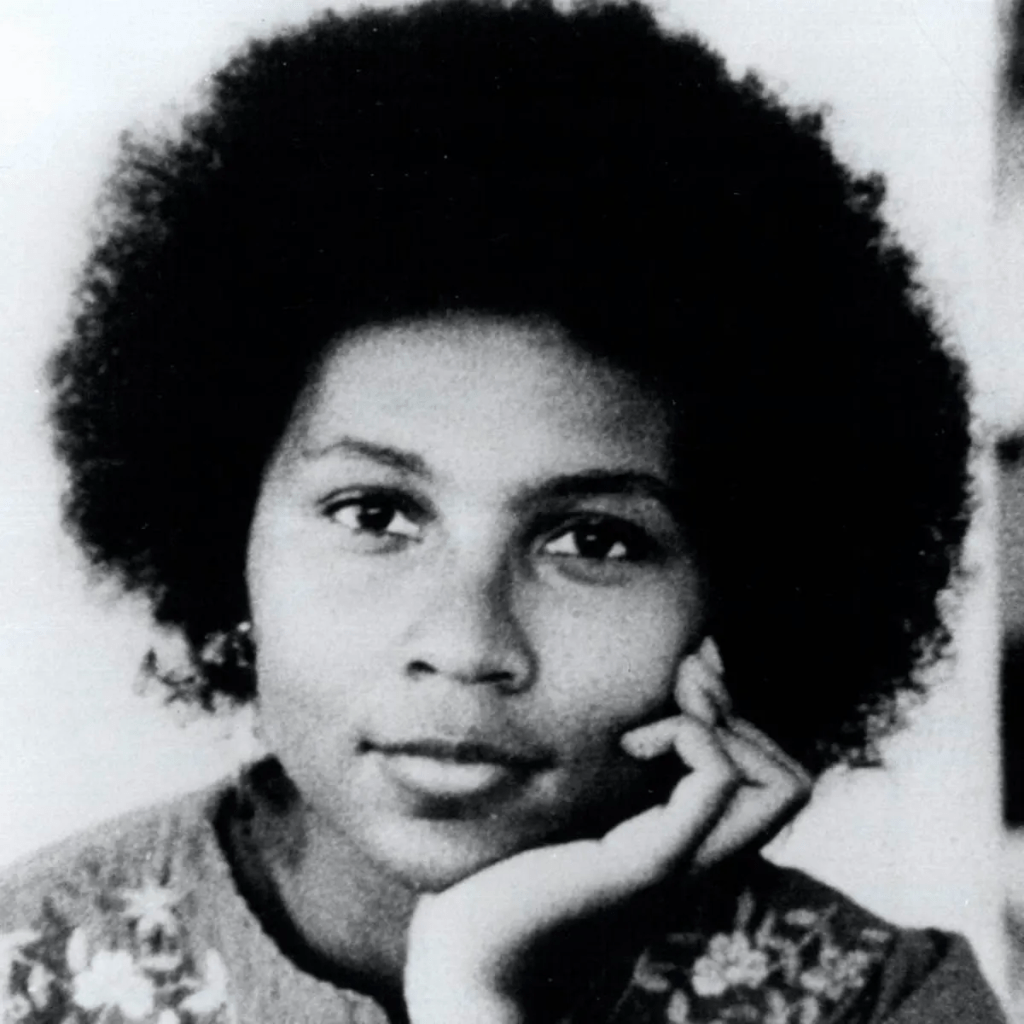
bell hooks defines love as “the will to extend one’s self for the purpose of nurturing one’s own or another’s spiritual growth”, echoing Erich Fromm. She uses this as a basis to delve into the different aspects of love and how to foster it, focusing on how our childhood development and subsequent experiences effect our love relationships later on in life.
Ultimately, love is a verb, an act of will that is expressed as care, affection, recognition, respect, commitment, trust, and honest, open communication. Abuse and love simply cannot coincide, and that is a tough pill for many readers to swallow.
Film: In the mood for love (2000)
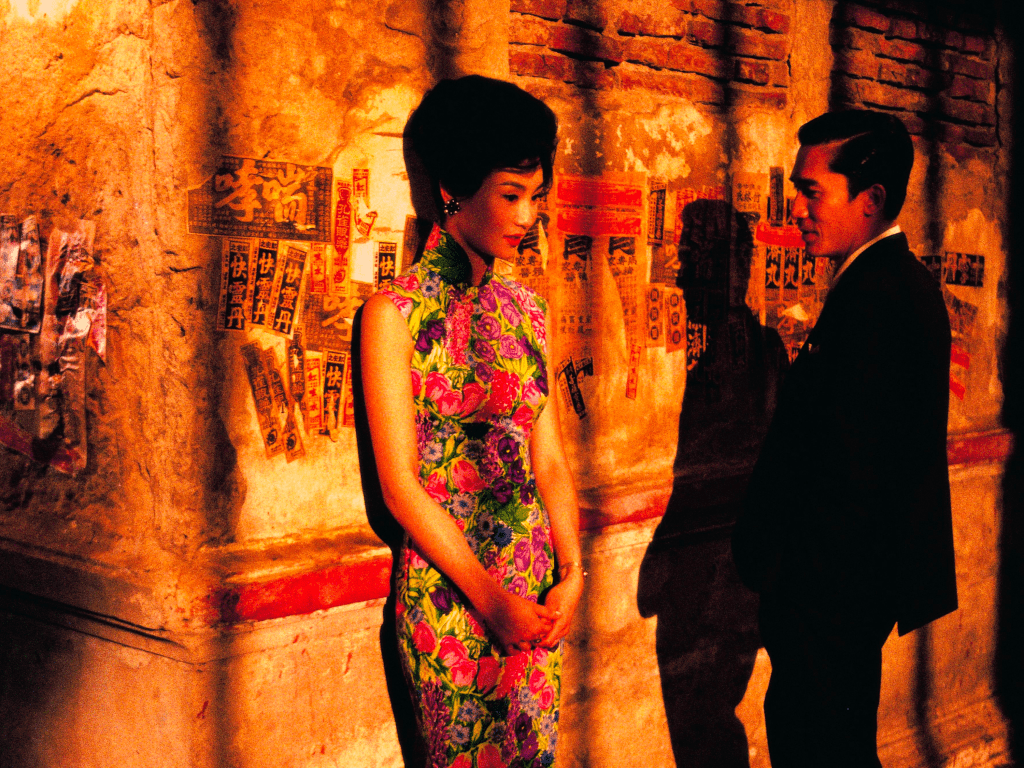
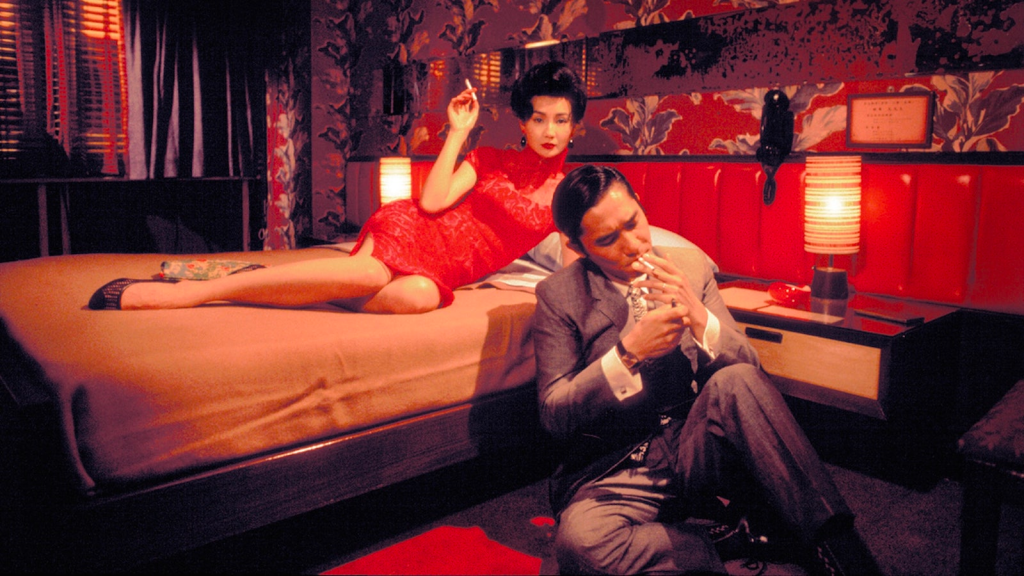
Wong Kar-wai is a symphonic, cinematic mood piece about a man and woman who discover that their spouses are having an extramarital affair. Slowly, they grow a strong (platonic) bond that gives rise to explorations about the unpredictability of love and memory through the affective qualities of light, sound, fashion, music and more.
EP: Kali Uchis, To Feel Alive (2020)
An underrated expression of coquetry in Latin tongues, Kali Uchis’ 2020 EP is a light, dreamy listen that will help you tap into your feminine energy (whatever your identity). The album art is what Uchis describes as “the isolation era of me eating the por vida era of me’s p*ssy.” Our personal favourite track is “angel”, where she purrs about how “high” the lucky man in question takes her.
Read more words on To Feel Alive EP.
Exhibition: Barbara Kruger: ‘Thinking of You. I Mean Me. I Mean You.’ – The Serpentine, London (2024)
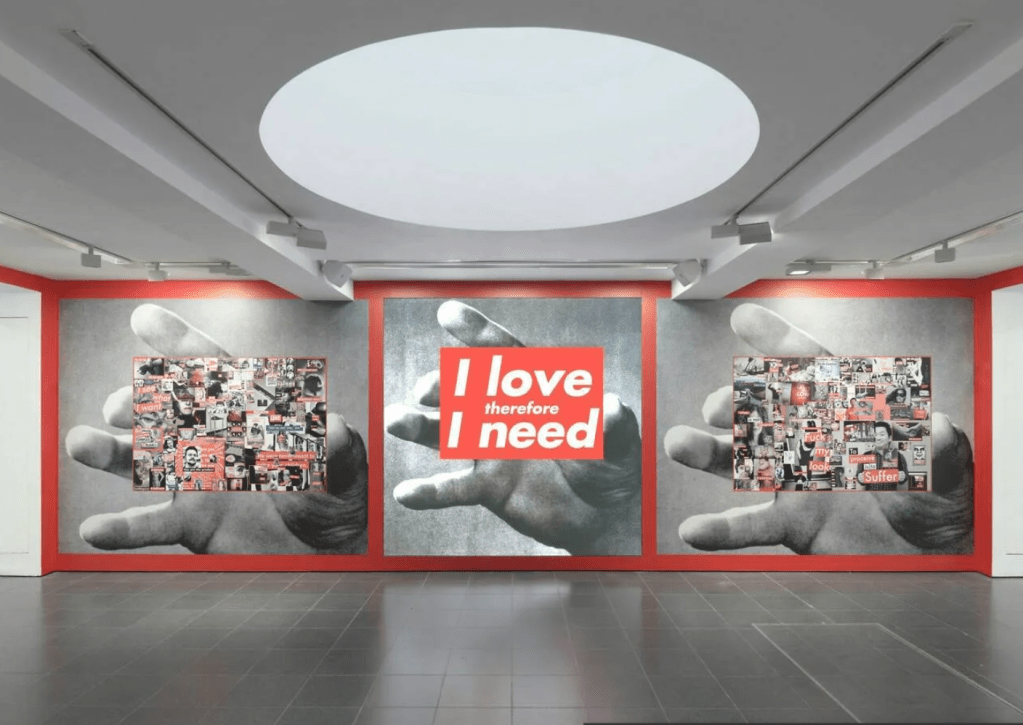
American artist Barbara Kruger’s slogan slick combination of sans serif text and sampled imagery has become iconic and instantly influential. This show is a critique of consumerism that utilises repetition, contemporary images, and semantic word play. It forces us to reflect on unrealistic beauty standards and the things that marketing and advertising makes us believe that we “love” – whether that’s hairstyles, beauty products or fashion. She sends the racist, sexist, consumerist messaging “back to its sender“. Instead of focusing on relationships this Valentine’s Day, maybe it’s time to question your relationship to capitalism.
Kruger’s show will be open at The Serpentine South Gallery until March 17th.
Book: Call me by your name (2007)
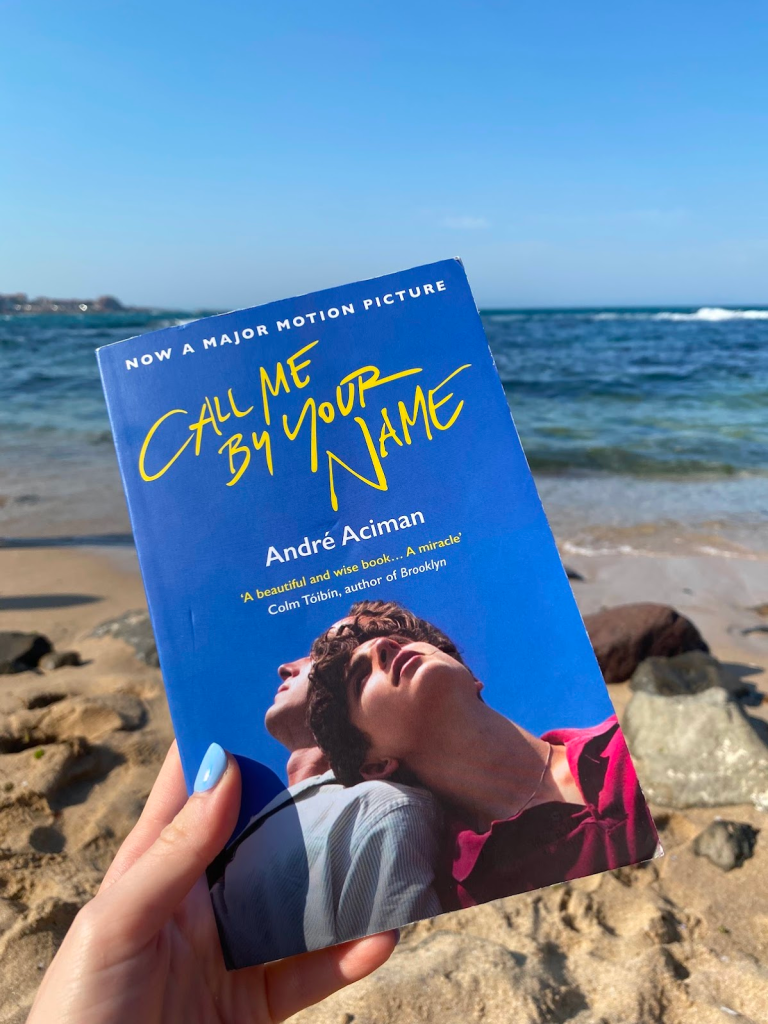
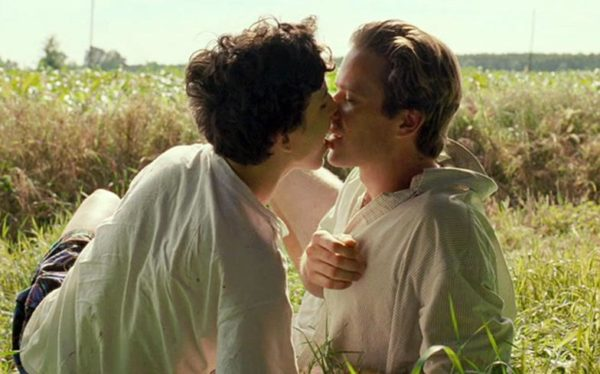
This infamous novel simply lets you feel what it’s like to fall in love. André Aciman’s penmanship is a luxury to indulge in, with the delectable description of a long Italian summer providing a perfect dreamscape to transport yourself to just as we approach Spring Equinox. Guadagnino’s 2017 movie adaptation is also beautiful and portrays the characters of Elio and Oliver with integrity (and adds in an appropriately graphic depiction of that peach scene).
Song: Smoke + Mirrors, Leo Waters (2023)
This song by a virtually unknown artist is a smooth rnb anthem with profoundly sexy lyrics that will have your mind racing back to your best time ever. Shout out to the lines “I get nostalgia when I’m f***ing you/ It’s always a moment when I’m touching you” and “My favourite Gemini/ Demon in your eyes”. Stop what you’re doing and add them to your wet sheets playlist.
Film: It happened one night (1934)
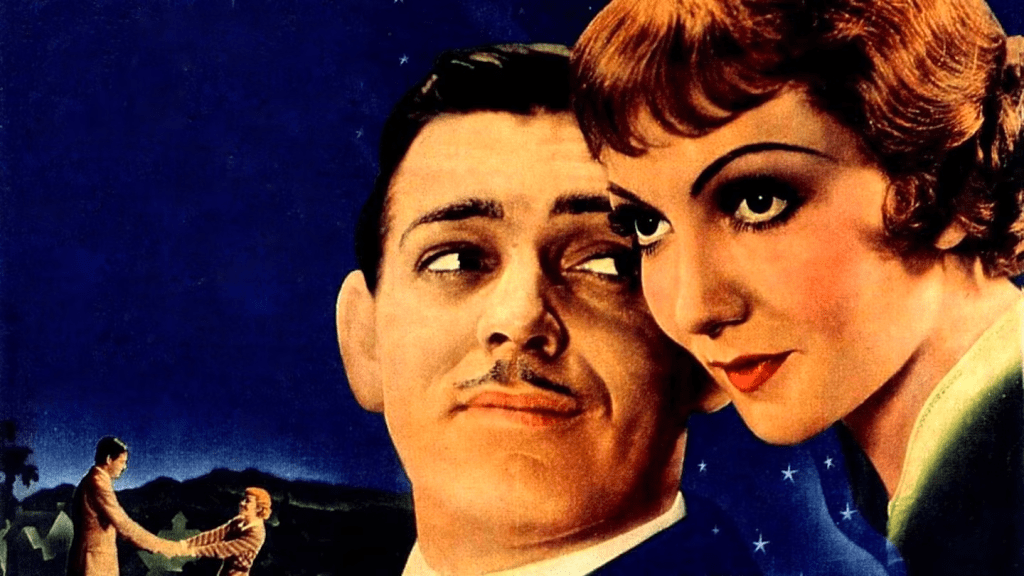
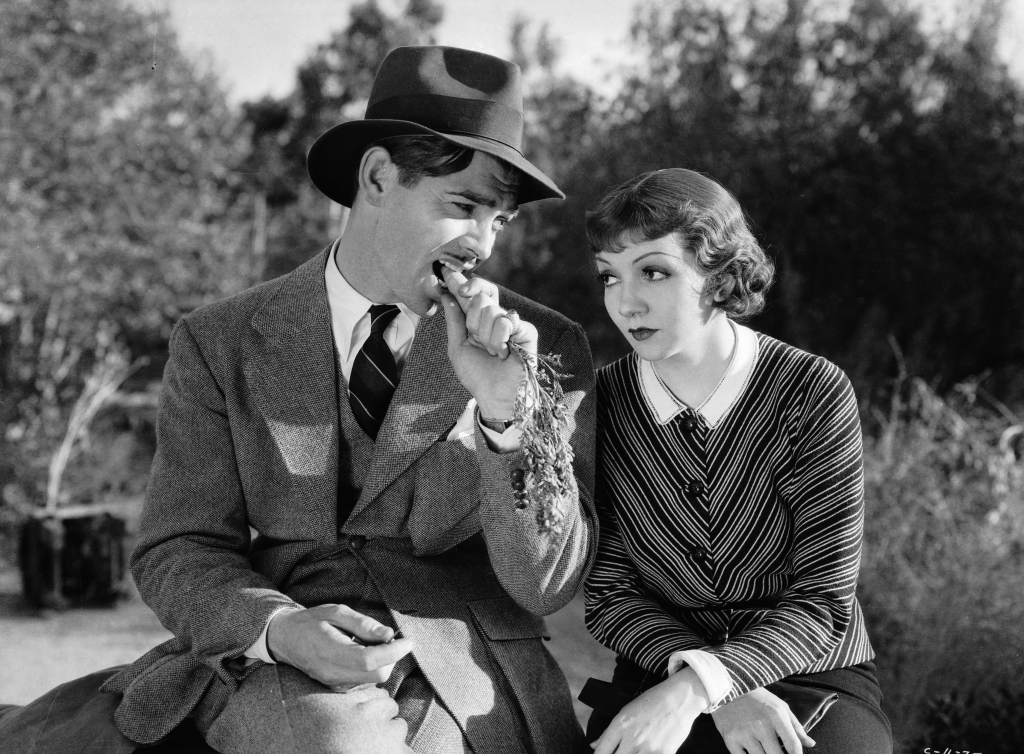
If you’re a fan of the enemies to lovers trope, and also a sucker for old movies, this is a dream come true. In Frank Capra’s pre-Code film, a renegade reporter is trailing a pampered, young runaway heiress trying to escape from her father’s scrutiny. Travelling from Florida to New York, they end up stuck with each other when the bus leaves them behind at one of the stops. A burning connection ensues.
Painting: Narcissus and Echo by Solomon Joseph Solomon (1895)
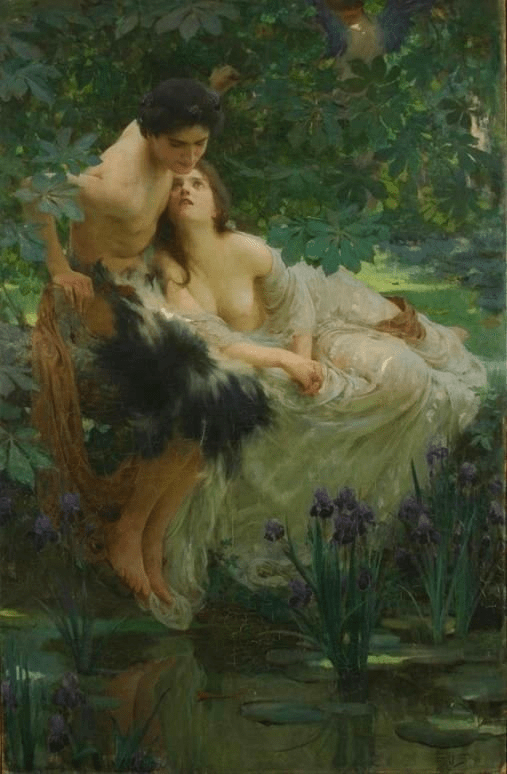
If you’ve ever been in a situationship (or simply worship an arrogant man in your life), maybe this painting will speak to you. Narcissus, the man in question, is eye banging himself in the mirrored waters, completely oblivious of the beautiful, half naked woman who is a reflection of his own adoration towards himself. Immediately, the chorus of Lana Del Rey’s “NFR” springs to mind:”You’re just a man/ It’s just what you do/ Your head in your hands/ As you colour me blue”. Or perhaps, “Sad Girl”: Being a bad b*tch on the side/Might not appeal to fools like you. However, in this man’s case, the main b*tch is his own reflection (maybe he listened to too many main character affirmations on YouTube). Whether you’re in your feelings or want to embrace self love syndrome, this painting is a visual representation of both.
Album: Paradise, Lana Del Rey (2012)
This album has two generations by the throat. The culture shifting Paradise has become an ineffable masterpiece of mood, orientation and a captivating sorrow that verges on magic. Some songs are likely to work both as poems and as spells that entrap the listener into an Americana mythscape. It takes us on a roadtrip across the USA, leading straight into the depths of Hollywood’s glamorous underworld, that for some exists only in their imagination, but for Lana is part of her very soul.
Critics have derided the love aspects of the lyrics to be problematic, even “romanticising abuse”, because of her self-infantilising allusions (and direct references to) Lolita-esque relationships, which bear a clear dominant and submissive. However, the album’s fragile persona portrays these darker themes with honesty and maturity. At various times, different elements surface – it can be playful, philosophical, pining, cynical and even bordering on emotionally masochistic. Sometimes, love is paradise, and at others it’s a prison in the House of Hades. The soundscape itself is a mix of trip hop beats, Mellotron and violin infused, with old Hollywood symphonies and breathy vocals on top.
An extension of Born to Die, the short film Tropico is an ode to Paradise and encapsulates the biblical and literary imagery that pervade the album’s world. It follows her and her lover (originally Adam and Eve), who fall from grace, live a life of sin, then eventually find redemption and utopia on an open road.
Painting: La Belle Dame sans Merci, Frank Bernard Dicksee (1853-1928)
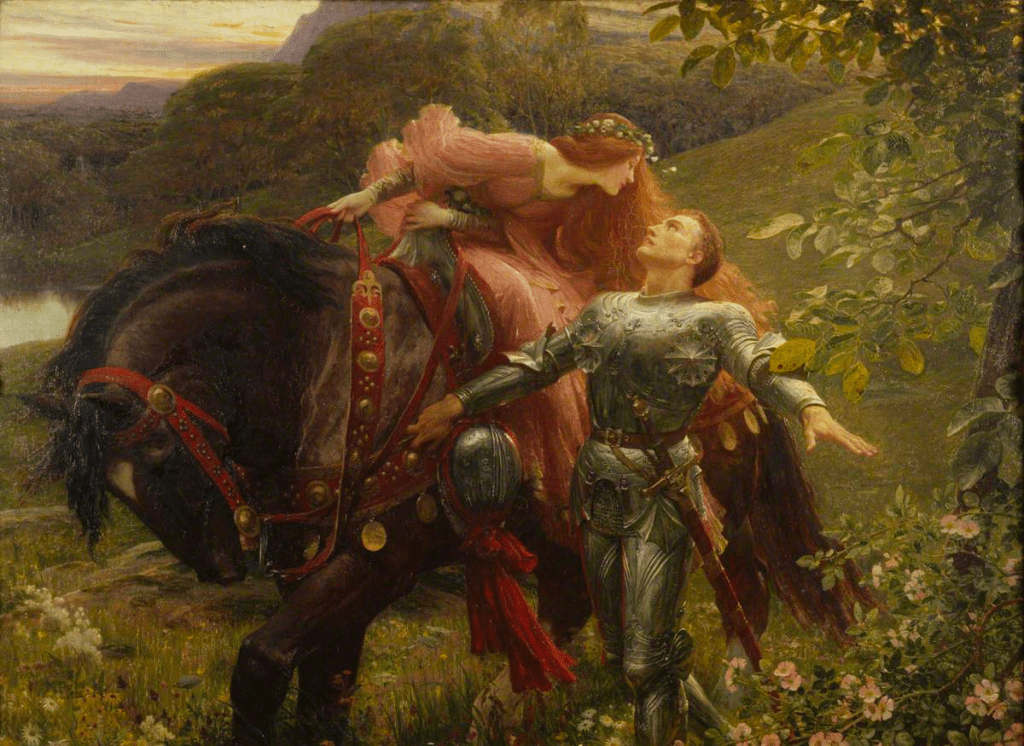
For more femme fatale escapism, with hues of chivalry, look to one of my favourite paintings, inspired by Keats’ 1819 poem of the same name. It portrays a knight who is left “so haggard and so woe-begone” after being thrust into the presence of ‘la belle dame sans merci. ‘ The painting, however, seems less dangerous and sinister than the poem, with the only remnant of this apparent peril being the blighted leaves that gently brush the knight’s arm.
The poem, however, suggests less willing worship and more feminine guile:
“I met a lady in the meads,/ Full beautiful – a faery’s child,/ Her hair was long, her foot was light,/ And her eyes were wild… I set her on my pacing steed,/ And nothing else saw all day long;/ For side long would she bend, and sing/ A faery’s song.”
Film: The Love Witch (2016)
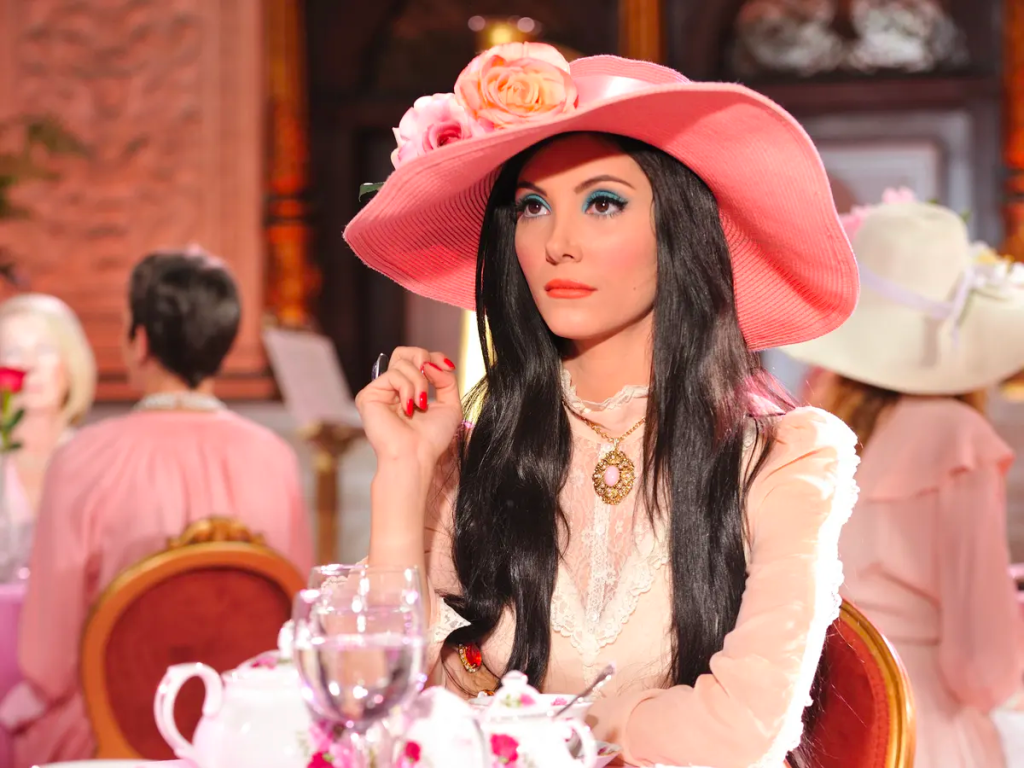
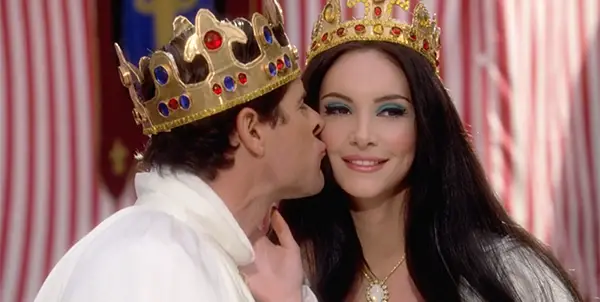
“What I’m really interested in is love. You might say I’m addicted to love. I wonder if all women feel that way?” Our favourite femme fatale, Elaine Parks, is on a quest to find love using supernatural drugs (aka a psychedelic love potion) – and she’ll do whatever it takes. Leaving a few unfortunate male victims pathetically strewn in her wake, her desperation for love eventually drives her to murder. But she truly does feel a bit bad about it! Technically it’s a horror but I’d watch this anytime, any day, anywhere. Also, bonus points for the marvellous witchery aesthetic.
Read some more words on The Love Witch.
Sculpture: LE BAISER NACRE (THE MOTHER-OF-PEARL KISS) Yves Pirès (2012)
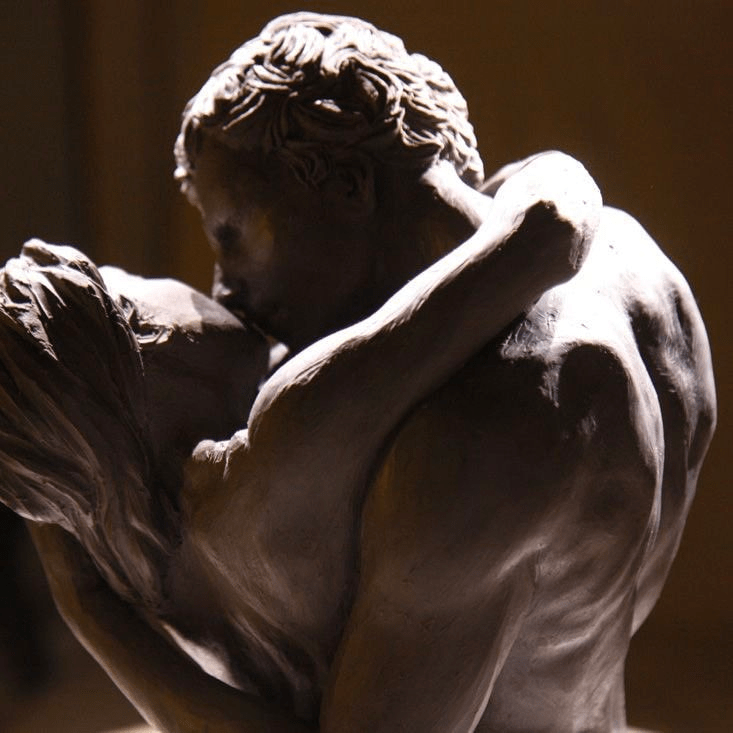
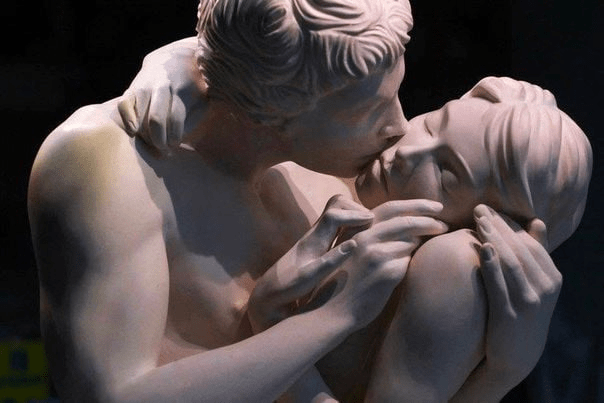
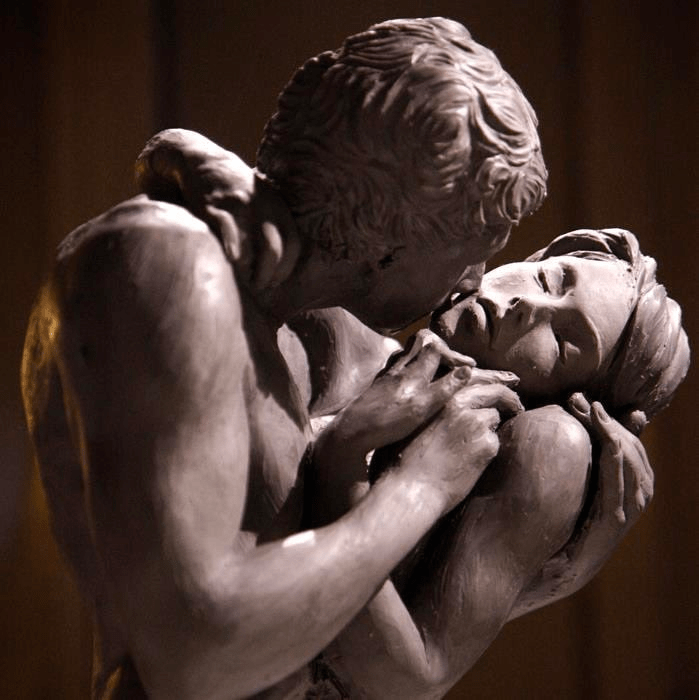
Yves Pires is a French-born artist, born in 1958, who primarily creates bronze sculptures. Inspired by Gustav Klimt’s The Kiss (1907-08), this corporeal rendition is an expression of unfulfilled desire, yearning without receiving.
Book: Anna Karenina (1878)
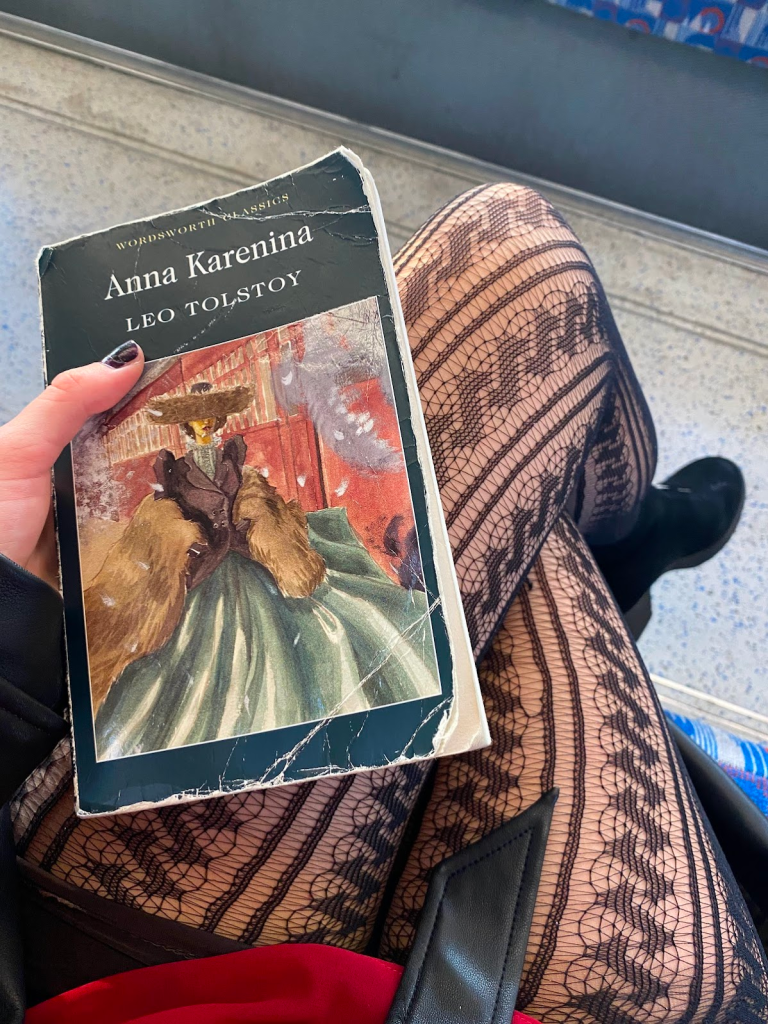
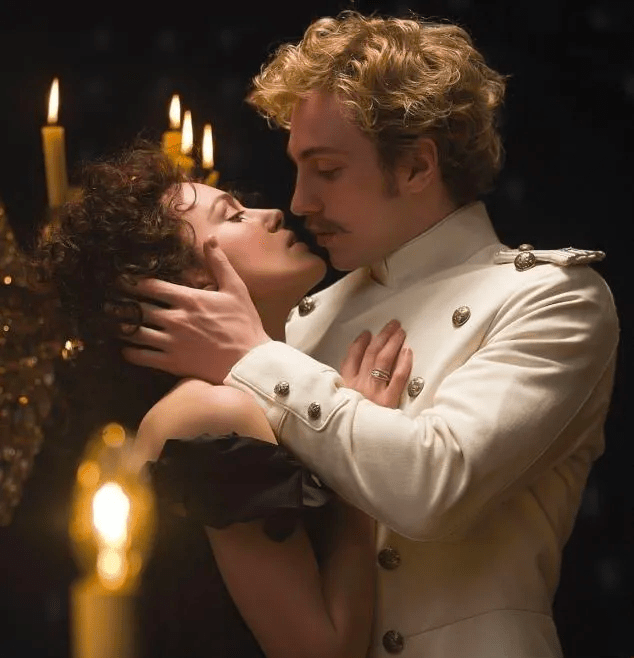
Where to begin with the greatest novel of all time, one of the most heartbreaking love stories ever? The story follows the scandalous affair between handsome count Alexei Kirillovich Vronsky and the novel’s namesake, Anna Karenina, who chooses blood red passion over a lifeless marriage with a high-ranking, wealthy government official, Aleksei Karenin, who’s main goal in life is to uphold a respectable societal position. A foil to the sexualised infatuation between Anna and Vronsky lies in Kitty and Levin, who’s happy marriage grows at the center of the novel as an ironic ember of trust and mutual respect. Anna Karenina is arguably a warning against cult like love, and an argument for how love can be both a blessing and a curse. The movie, featuring Kiera Knightley, Jude Law, and a moustached Aaron Taylor Johnson, is also an absolute beauty. If you have any qualms about its Russian origin, I argue that, if anything, this is the right time to read Russian Literature.
A quick shoutout to my favourite love passage from the novel, taken from the Wordsworth Classics translation: “For Levin, all the girls in the world were divided into two classes: one class included all the girls in the world except her, and they had all the usual human failings and were very ordinary girls; while the other class – herself alone – had no weaknesses and was superior to all humanity.”
Art collection: Romantic Encounters, Fabian Perez (2014)
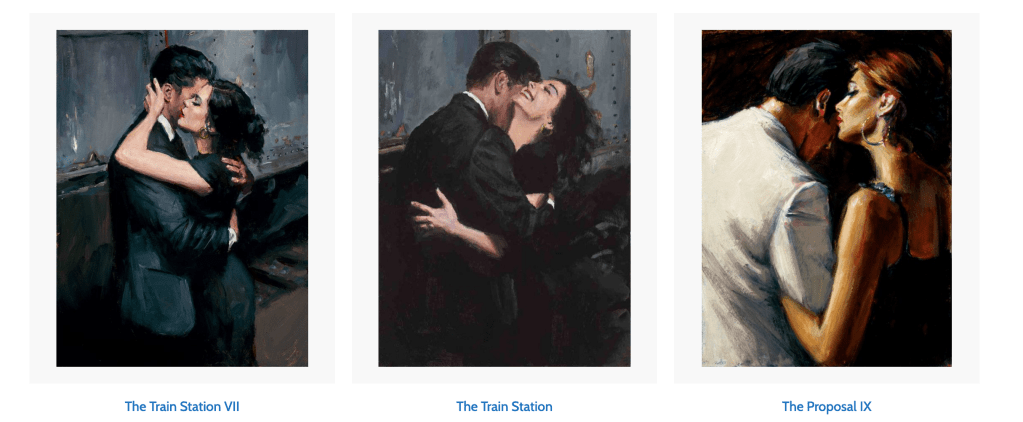
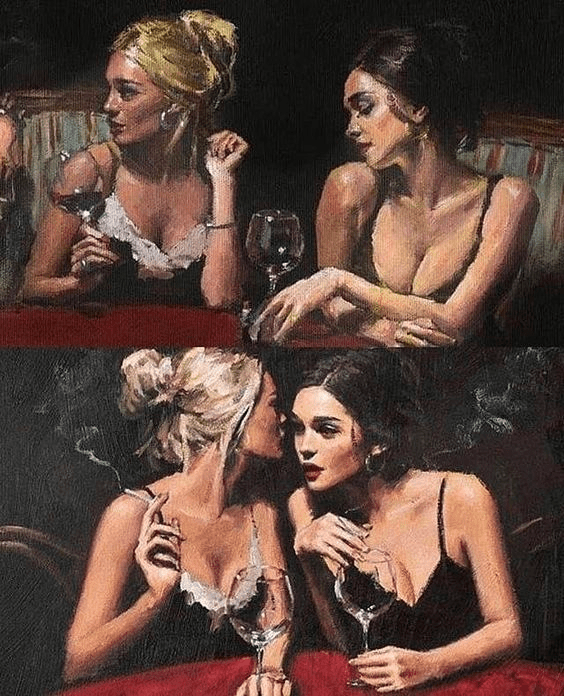
For Argentinian artist Fabian Perez, “the purpose of art is to perpetuate beauty”. Inspired by the Shodo, a discipline of Japanese calligraphy practiced by Buddhist and Samurai monks, Perez’ abstract styles and brush strokes are determined, influenced by the moods of colour, and a strong expression of feeling that invites the viewer to identify with the emotion that is portrayed. This collection follows a beautiful couple’s “romantic encounters”, from a passionate meeting at the train station, to a date and a proposal, laced with a heart rending embrace. The woman looks like a siren and the man is tall, dark and handsome. There are also a few pieces featuring a blonde woman, which are perfect for your Galentines mood board (titled “The Secret”). Perez is also influenced by artists such as Lautrec, Picasso, Sargent and Cezanne, but in the end “it’s his own way”.
More on Fabian Perez.

 My Goddess Complex
Leave a comment