
It’s official. You’ve just found your people.
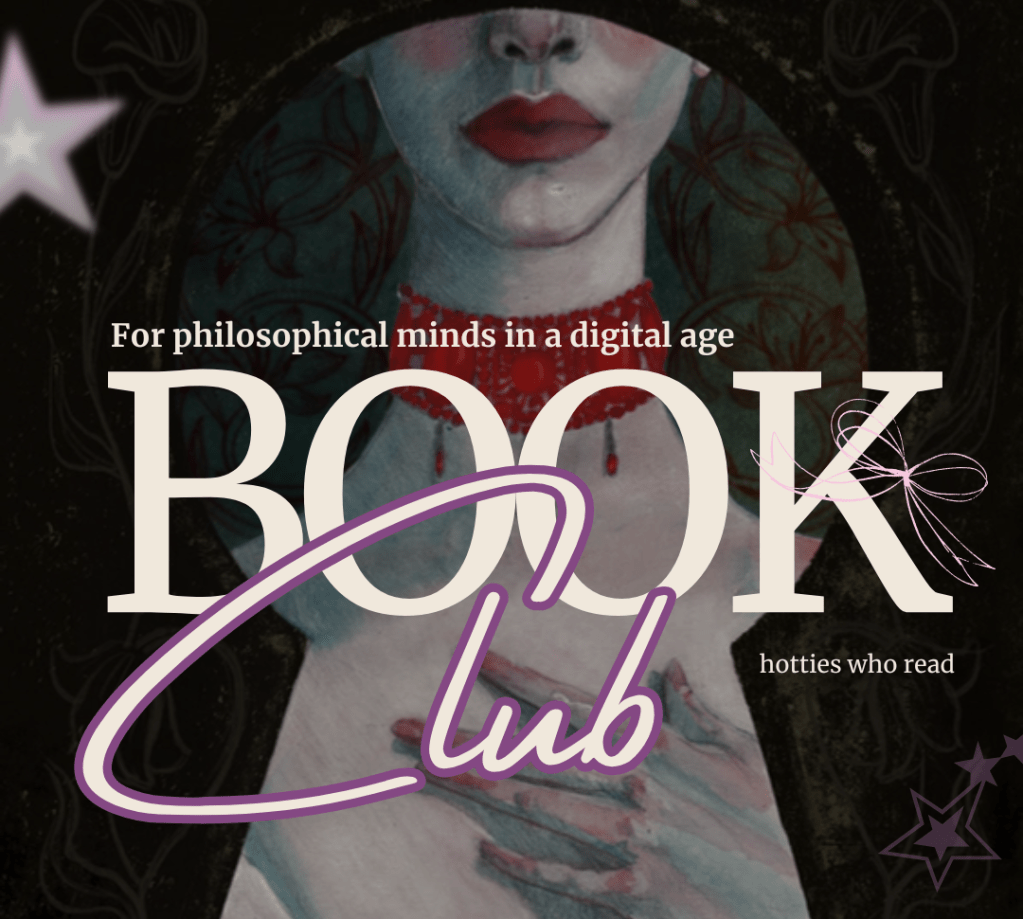
We’re the writers, journalists, creatives and philosophy & literature students behind My Goddess Complex. We love Plato, but also keep up with pop culture & politics. From realism and contemporary novels to classics, come read, rant and repeat with our community. The goal is community, mutual education and new perspectives.
Register here to get the zoom link:
Date: Wednesday, February 25th
Session one will be discussing and analysing Letters to a Young Poet (linked below). A hugely influential collection for writers and artists of all kinds, Rilke’s profound and lyrical letters to a young friend advise on writing, love, sex, suffering and the nature of advice itself.
Audio book: https://www.youtube.com/watch?v=39D8QS4CtrI
Additional information (optional):
Rilke’s letters to a young poet Franz Xaver Kappus, written between 1902 and 1908, were first published by Kappus in 1929. A cadet at the Austrian military academy the lower school of which Rilke had attended in the 1890’s, the young man went on to pursue an extended military career, as an officer in the Austro-Hungarian army, afterwards working as a journalist, editor, writer, and politician.
These letters, dating from the early period of Rilke’s own poetic development, offered advice and insight to the younger man, while also revealing Rilke’s ideas and attitudes regarding creative poetic effort and life itself. The two men never met in person, but, thanks to Kappus, these letters to him were preserved, and help to illuminate Rilke’s own achievements in the art, as well as providing a source of inspiration and guidance to poets in general.
https://www.theguardian.com/books/2011/may/12/letters-rainer-maria-rilke-review
Videos (optional):
Essay questions
- How does Rilke define the “work” of an artist, and what does he suggest is the relationship between art and daily life?
- How does Rilke’s recommendation to embrace solitude and “live the questions” contradict modern, fast-paced society?
- How does Rilke’s view of love, as expressed in his letters, challenge conventional ideas about romantic relationships?
- Discuss the theme of gender and femininity in the letters, and assess whether Rilke’s views can be considered forward-thinking for his time.
- Explore Rilke’s advice to “live the questions” rather than seeking immediate, easy answers. What is the value of this approach?
- What is Rilke’s, often unconventional, conception of God as described in his letters?
- How does Rilke’s perspective on sadness and pain function as a catalyst for creative, rather than destructive, energy?
- How does the advice in Letters to a Young Poet apply to artists and creative thinkers in the digital age?



 My Goddess Complex
Leave a comment