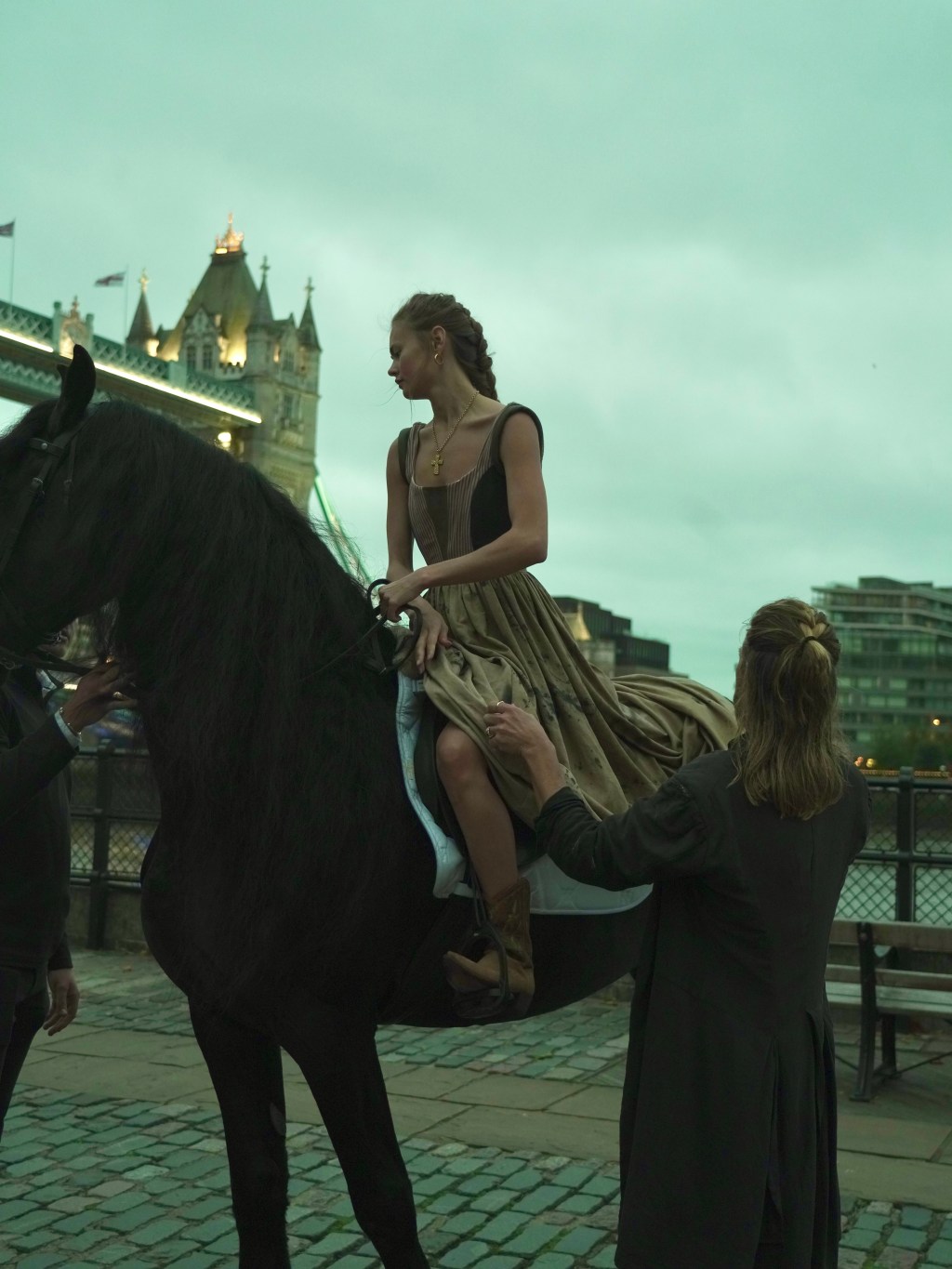
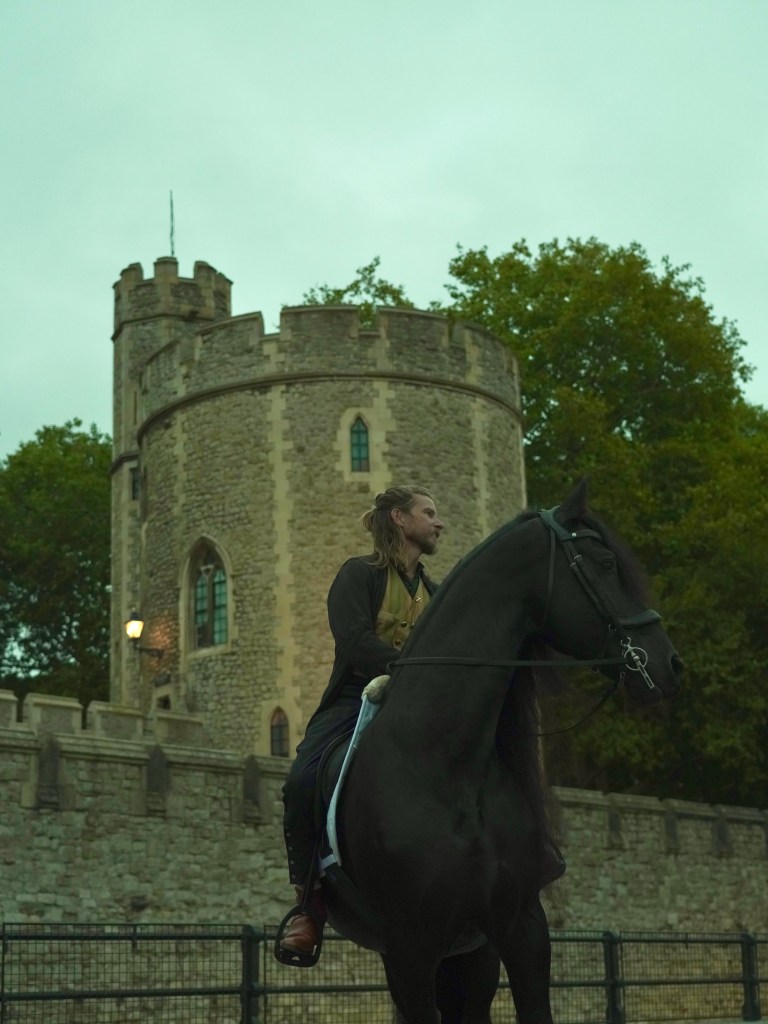
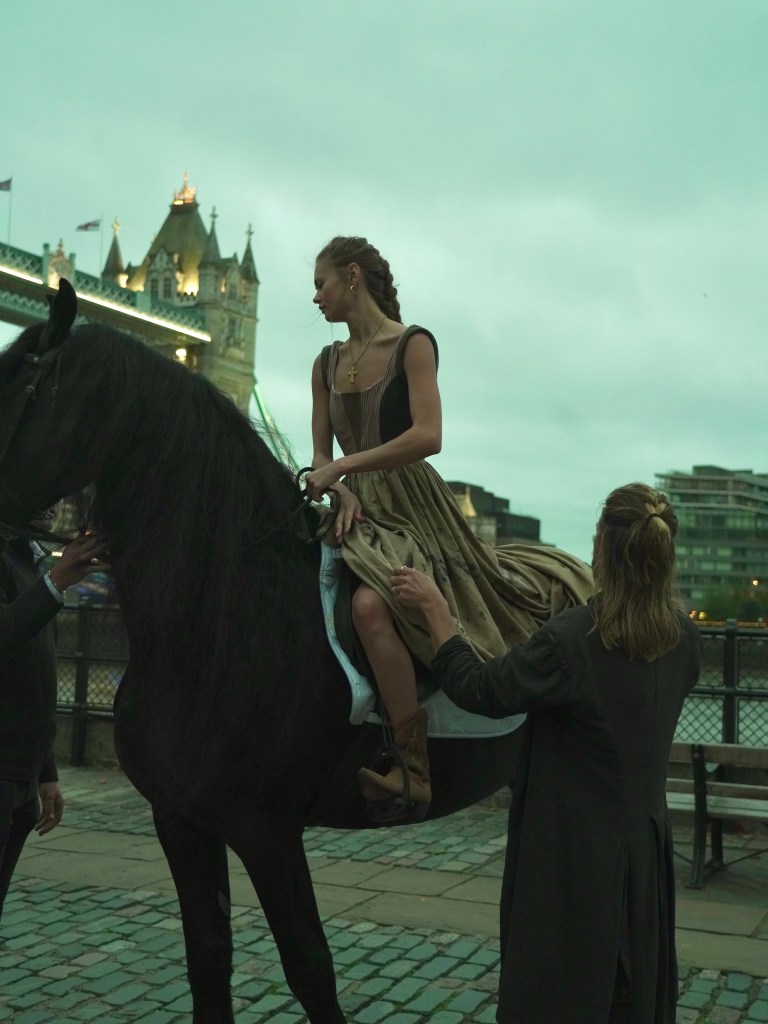
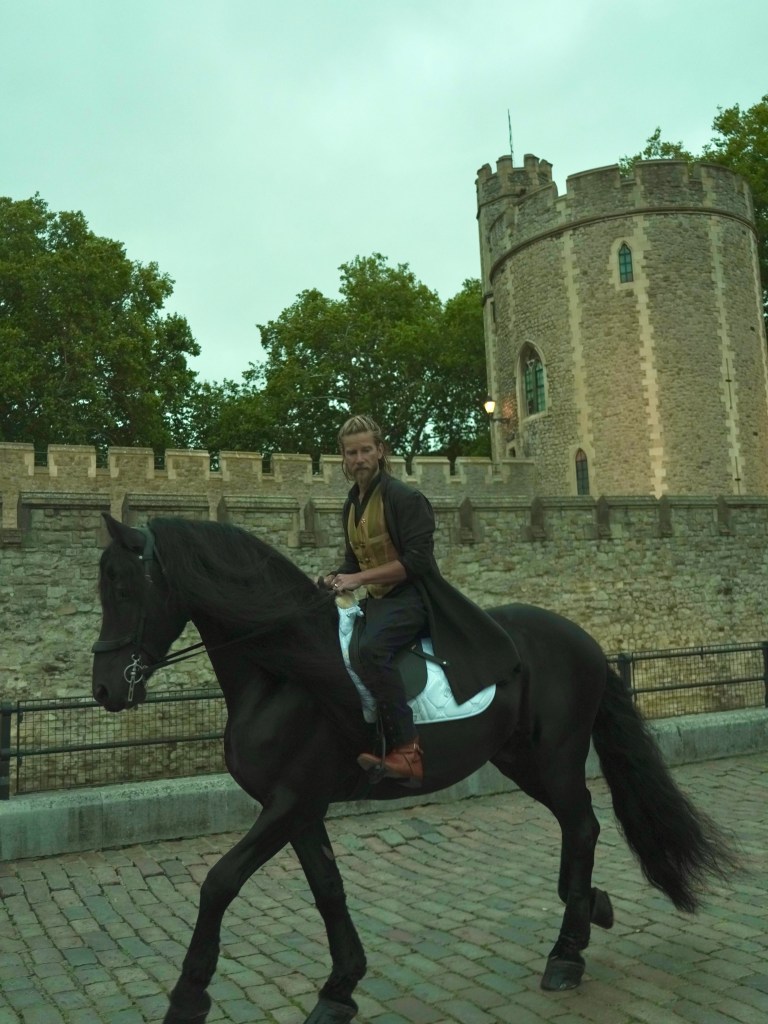
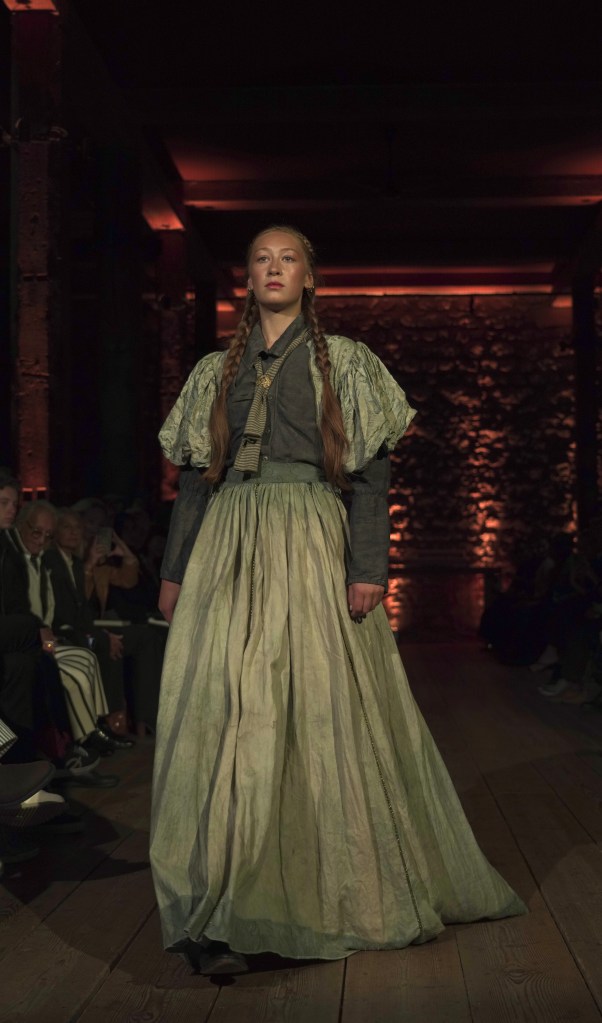
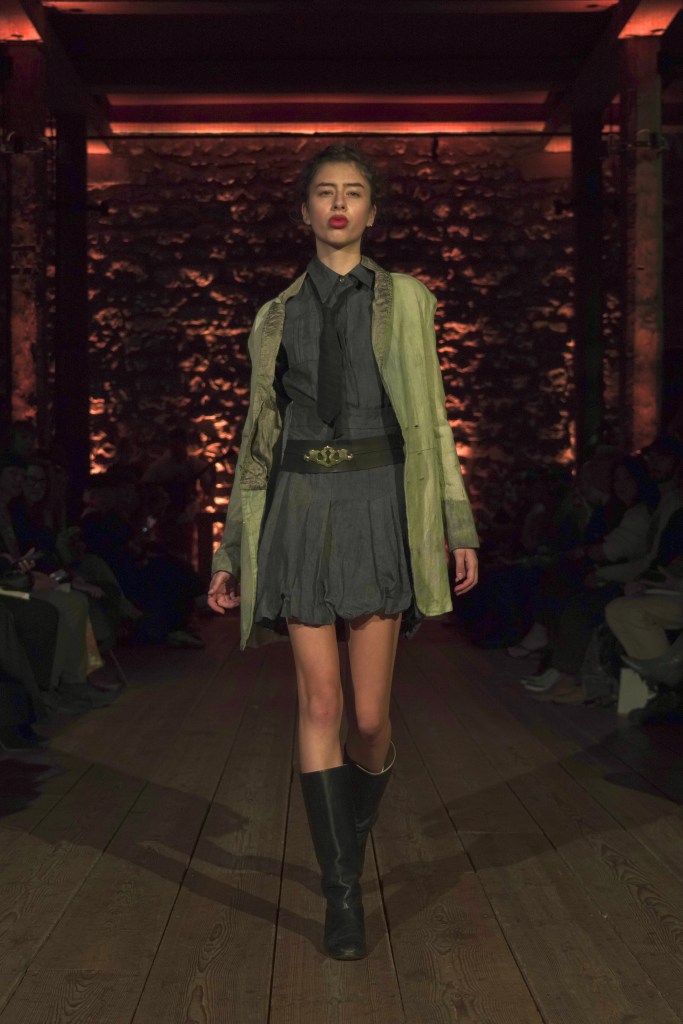
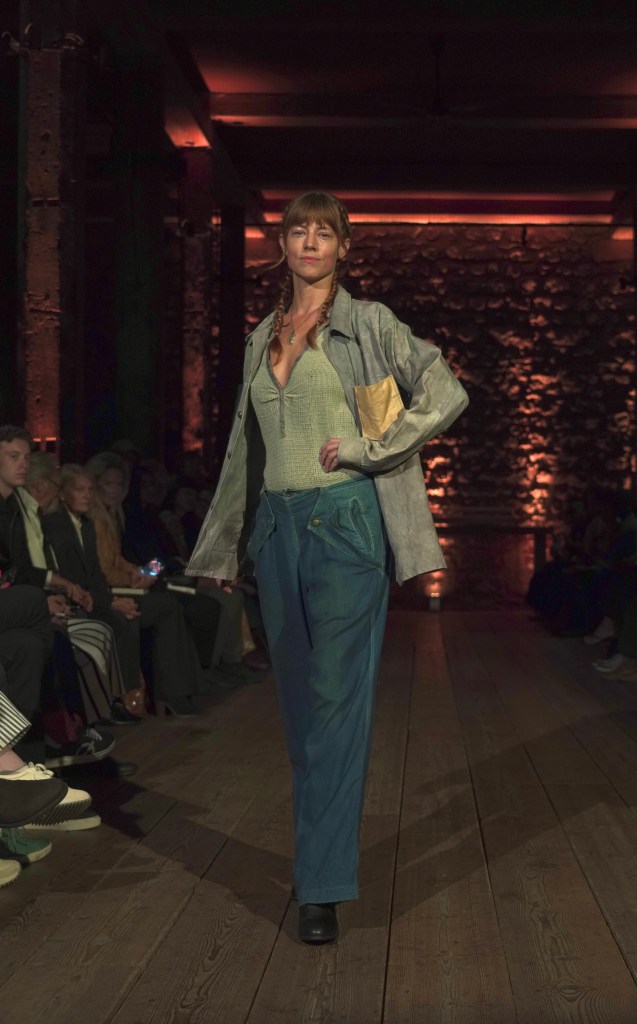
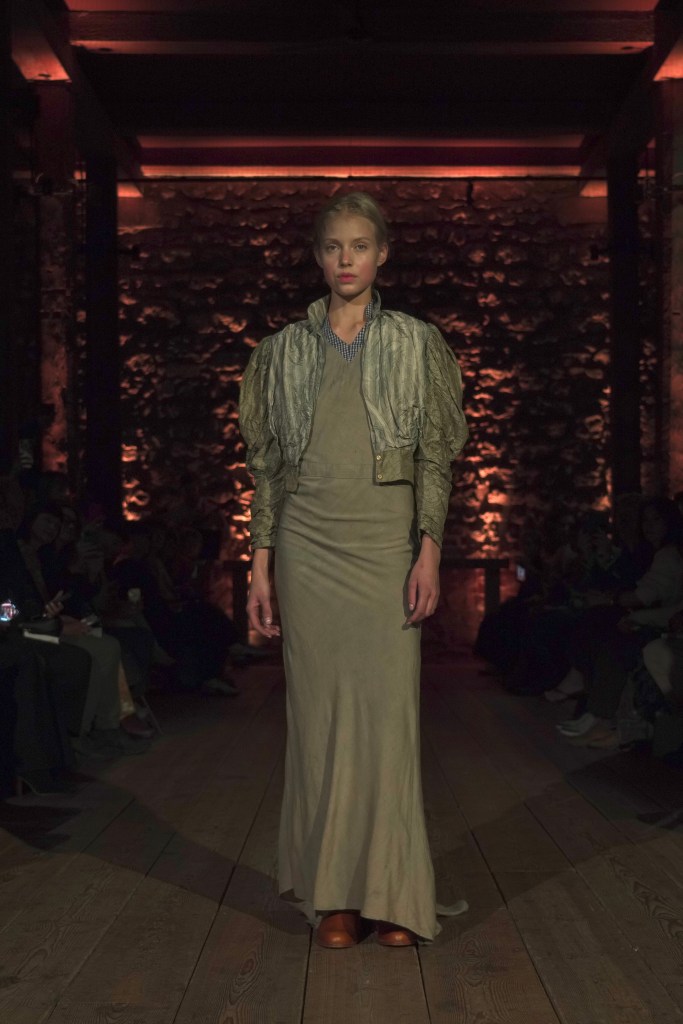
On September 17th, Jeff Garner of Prophetik transformed London Fashion Week into a moment of cultural theatre. Inside the White Tower of the Tower of London — a venue never before used for fashion — Garner unveiled Billy Shakespeare, a collection that fused history, craft, and activism with unmistakable romantic flair.
Sweeping coats and lyrical gowns, dyed with plants from Garner’s Tennessee farm and British heritage techniques like Raven Black from the Cotswolds, merged the ruggedness of the Wild West with Victorian drama. Every piece was non-toxic, biodegradable, and alive with symbolism: the Tower’s legendary ravens echoed through the collection, as did Garner’s Native American, English, Scottish, and Tennessean heritage.
The show coincided with the premiere of Garner’s documentary Let Them Be Naked, executive produced by Suzy Amis Cameron. The film exposes the hidden toxins in everyday clothing, a mission deeply personal to Garner following the loss of his mother to breast cancer. It underscored the collection’s message: luxury and beauty must go hand-in-hand with health, sustainability, and conscience.
Billy Shakespeare was more than a collection — it was a manifesto of plant-based artistry and poetic rebellion, staged in one of the world’s most hallowed spaces. By the final look, it was clear that Prophetik had not just shown at London Fashion Week; it had left a lasting impression of fashion’s power to inspire change.
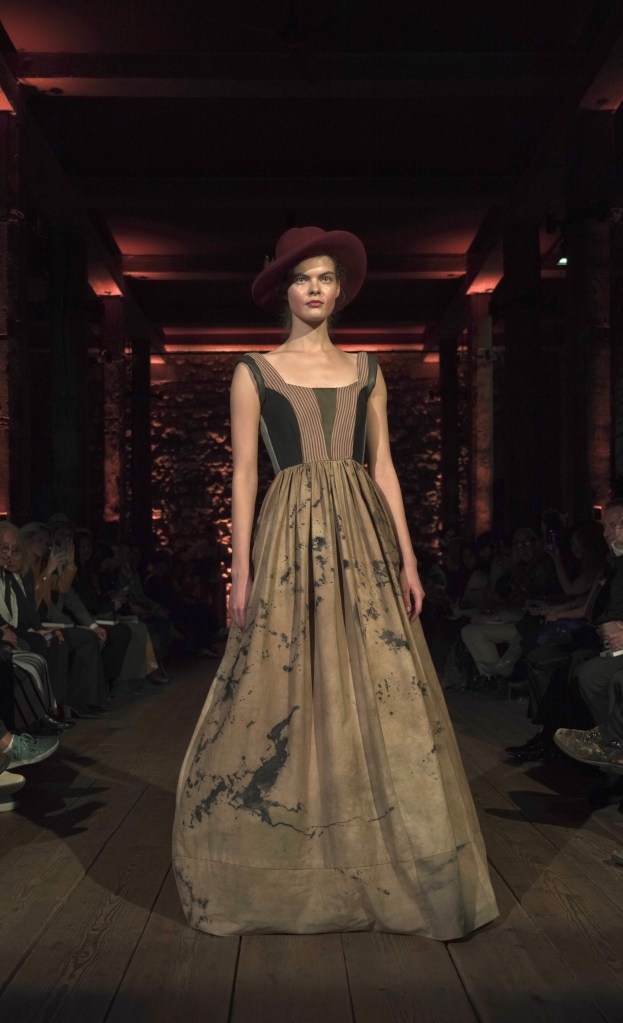
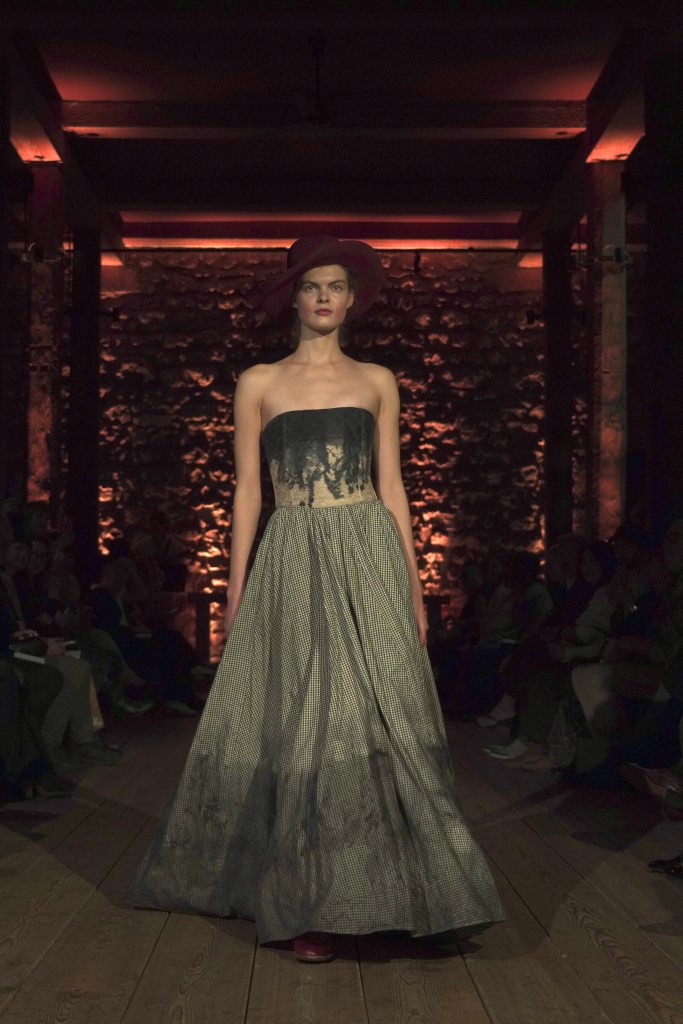
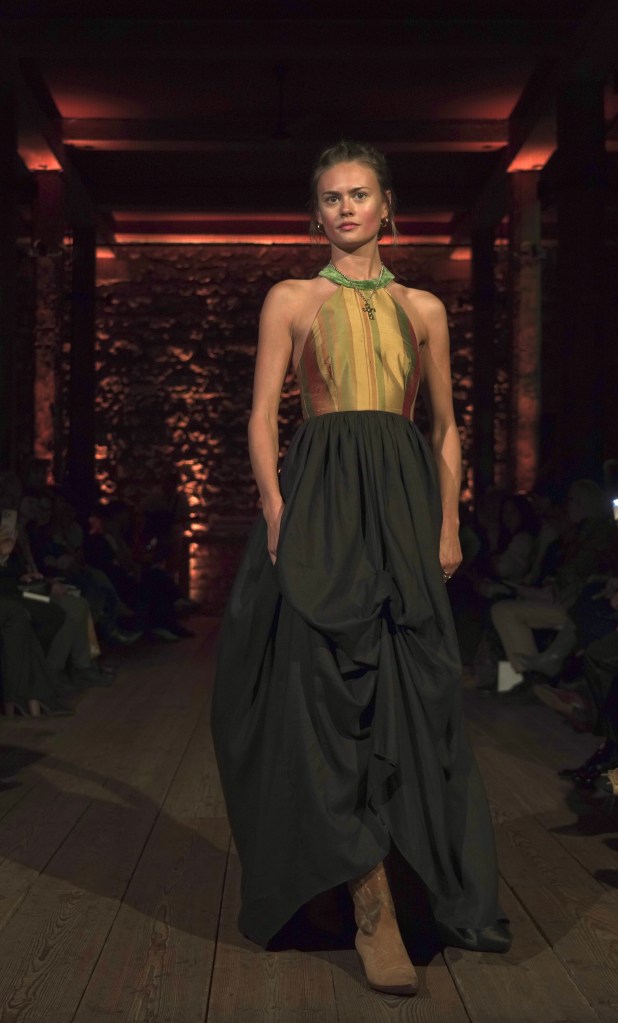
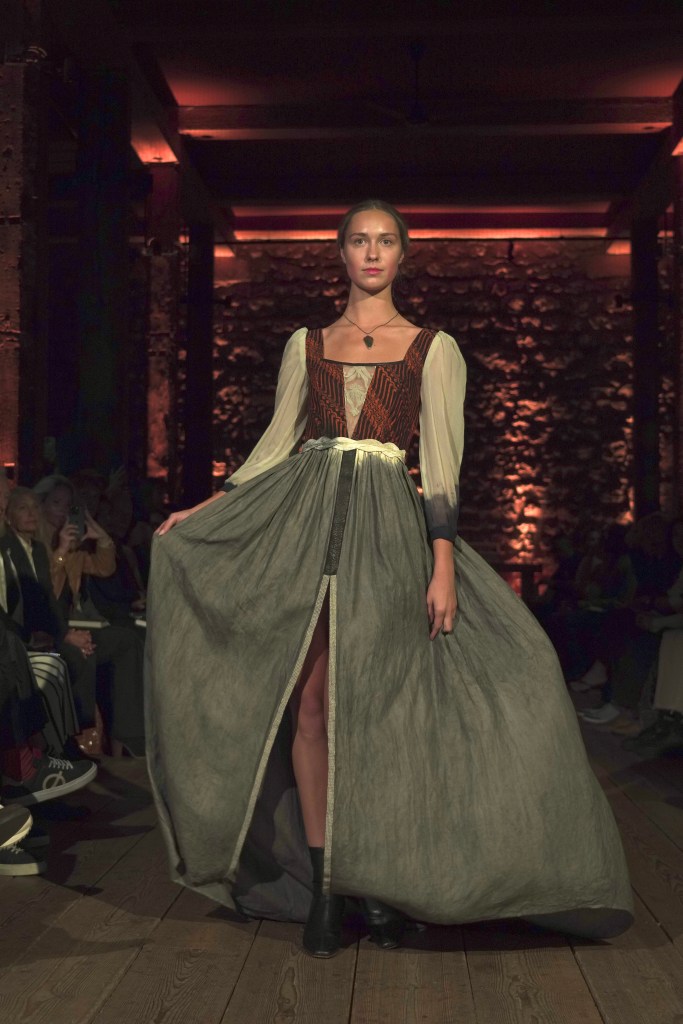
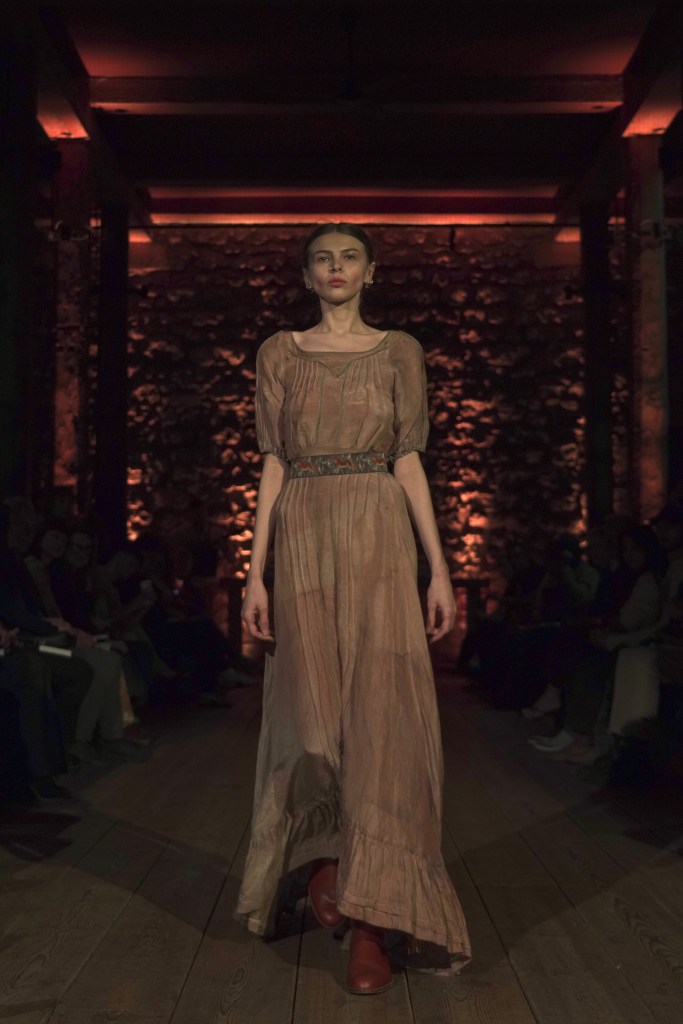
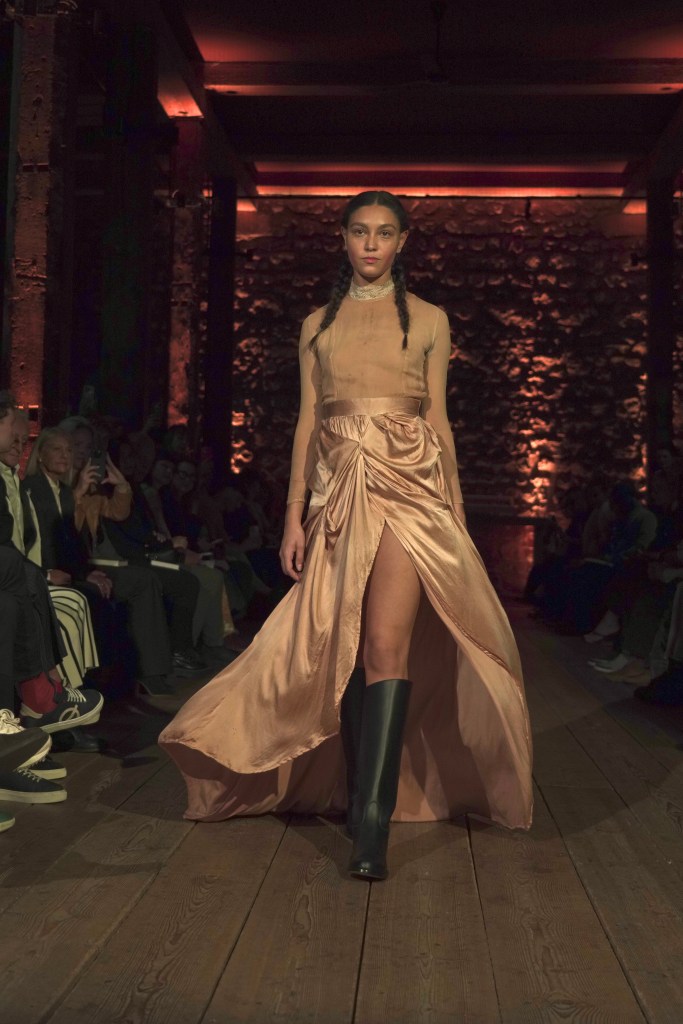
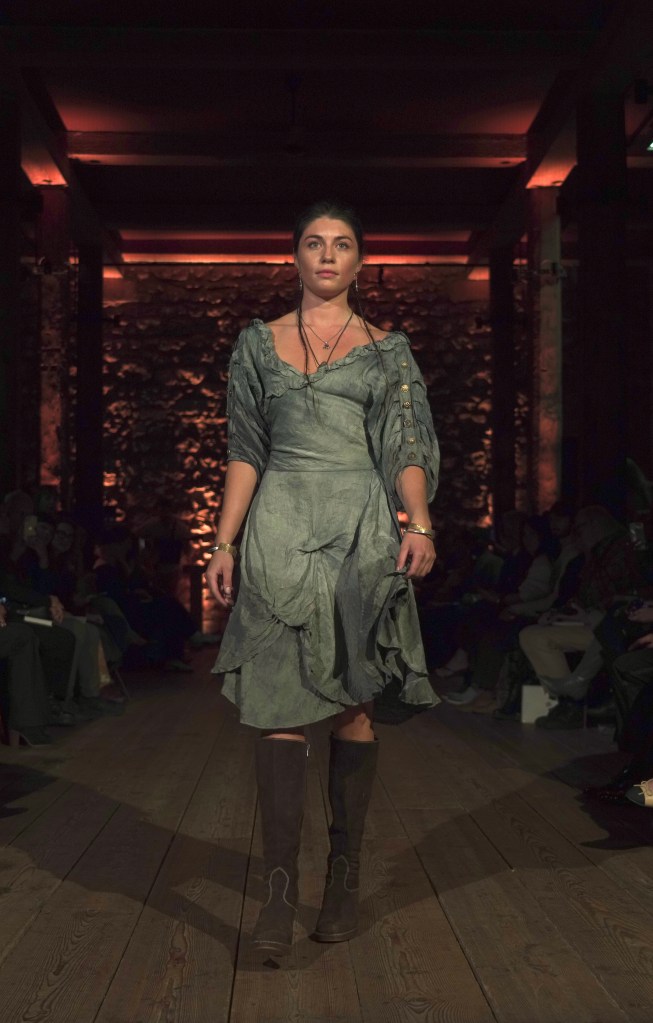
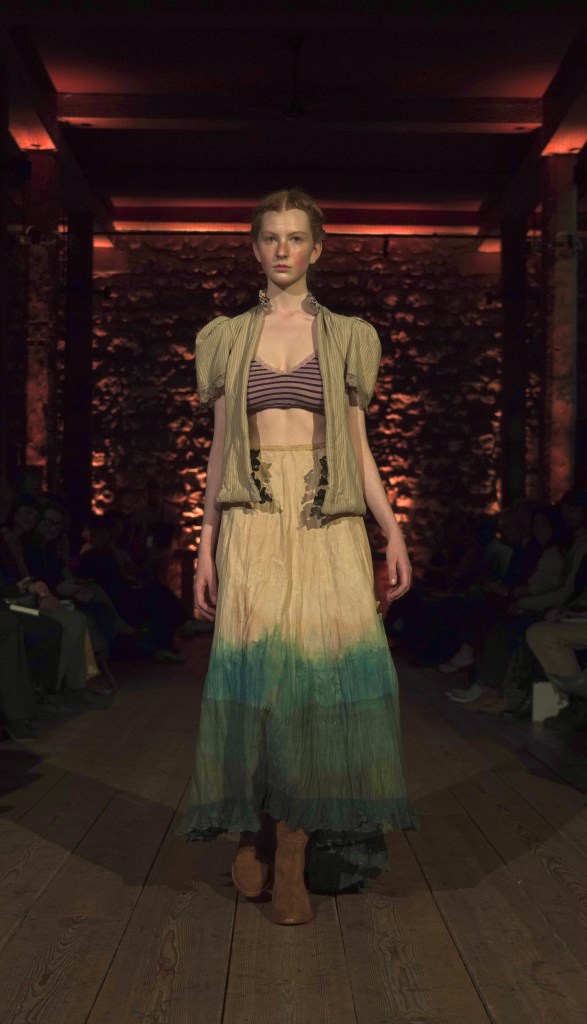
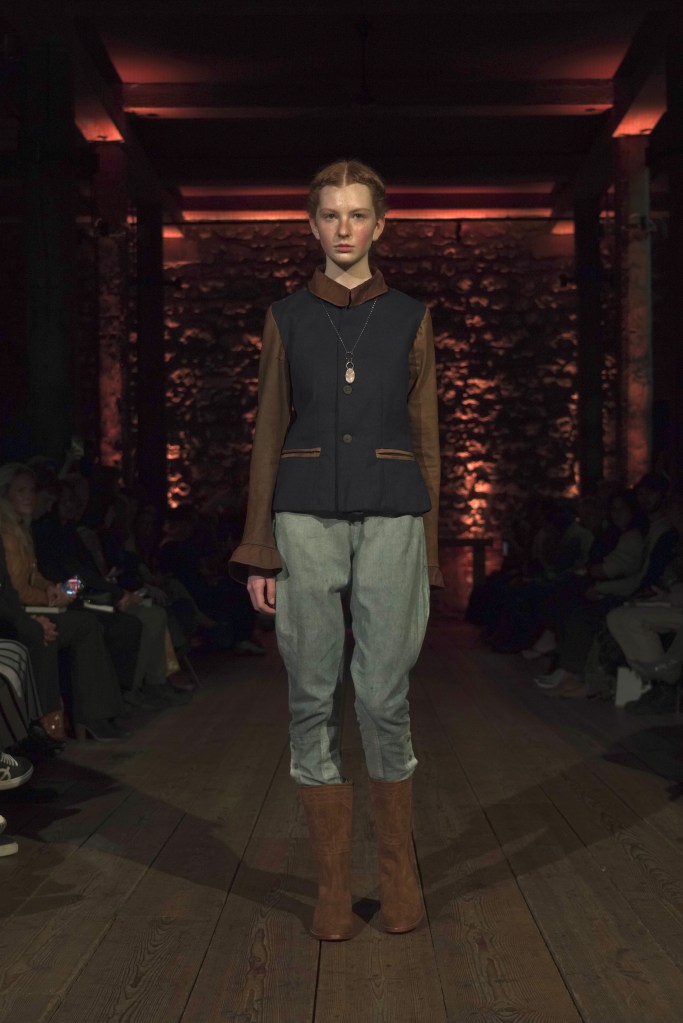
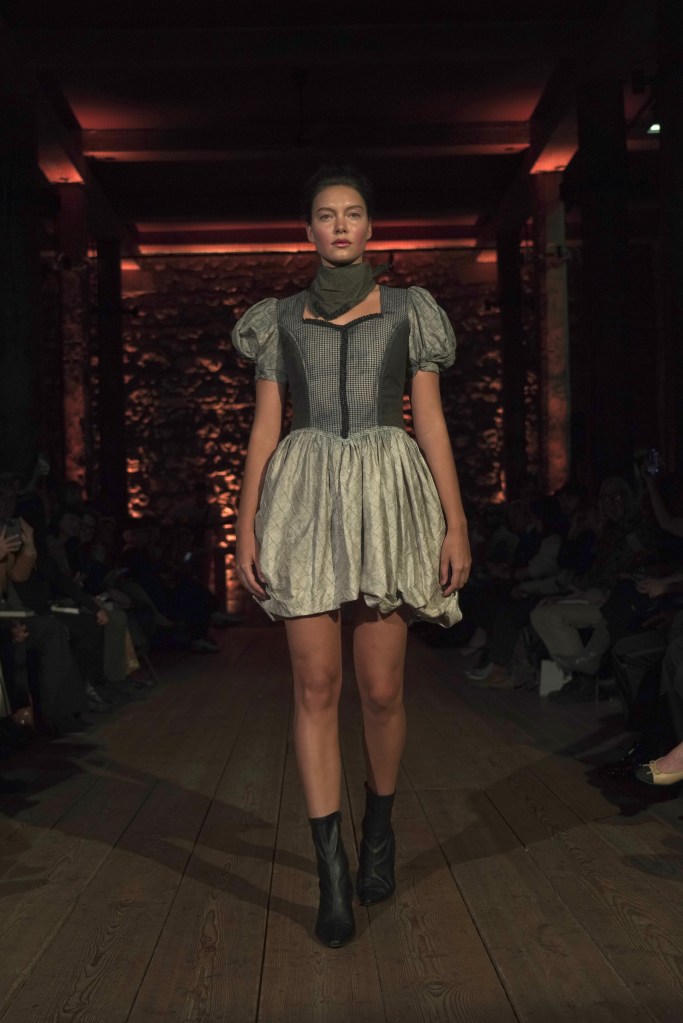
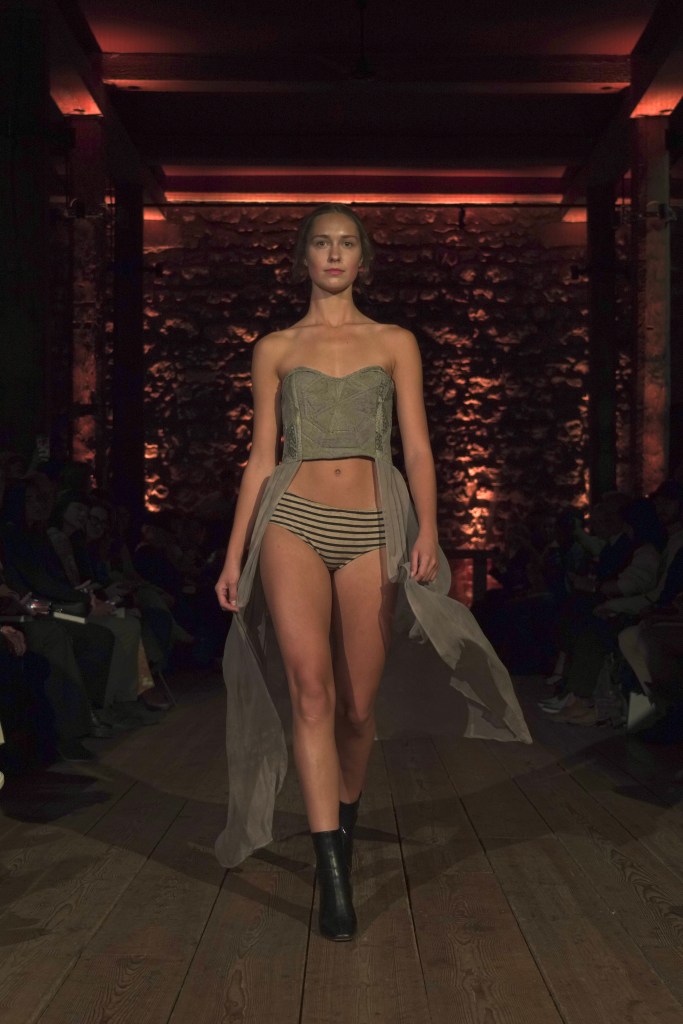
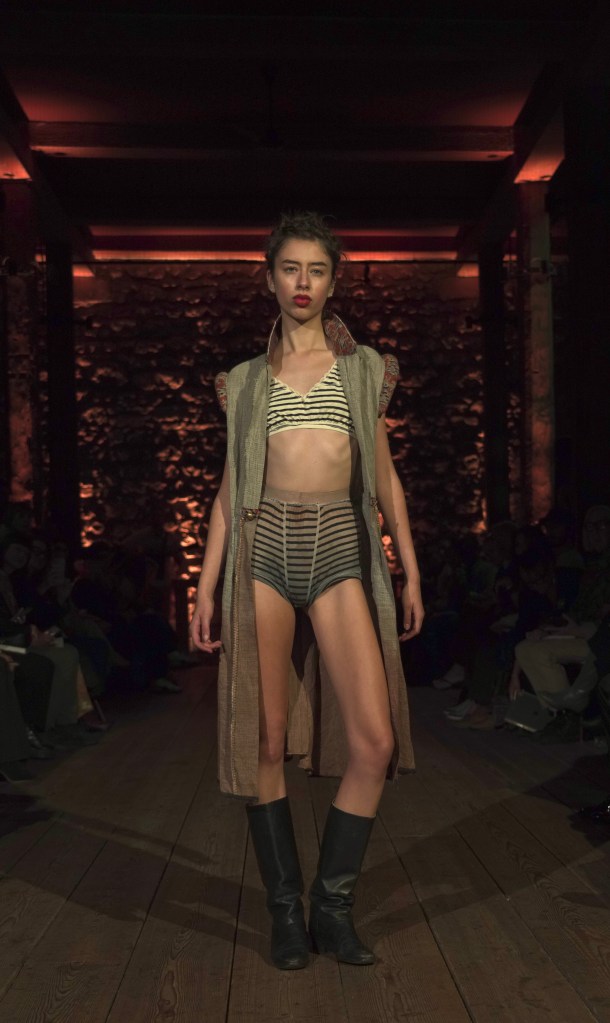
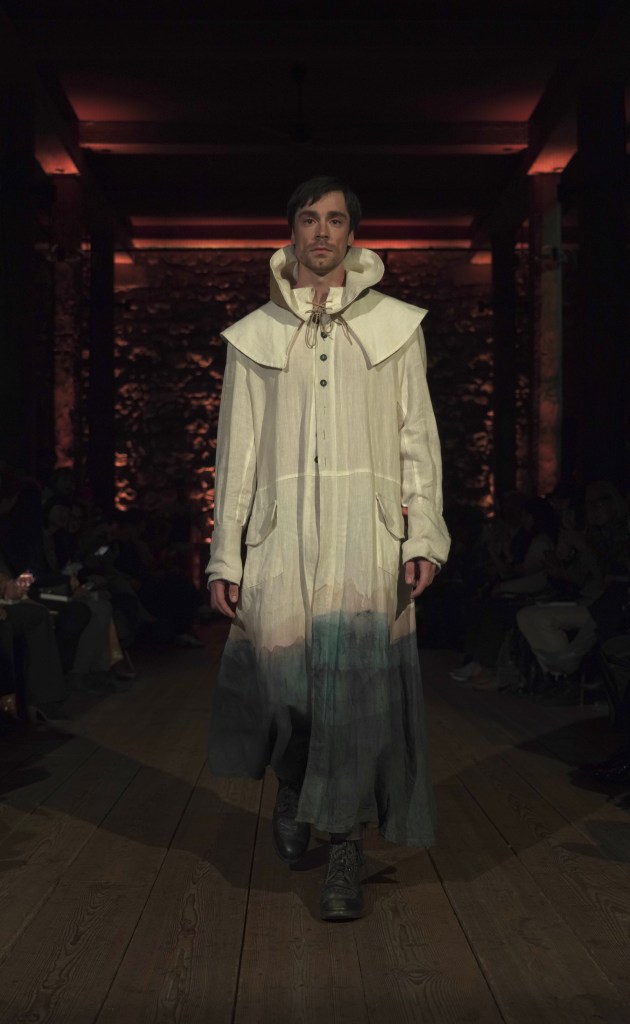
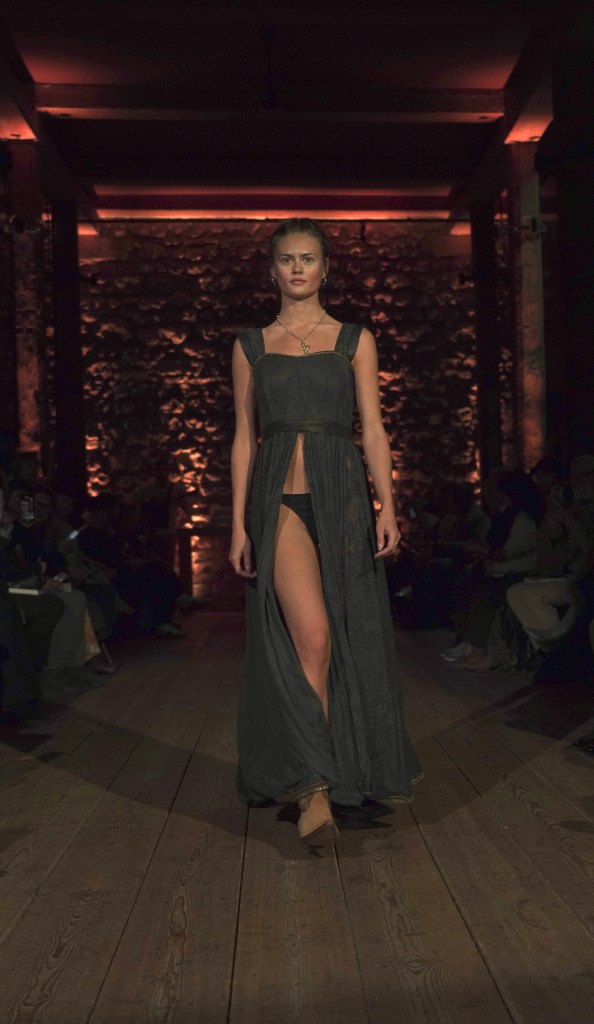
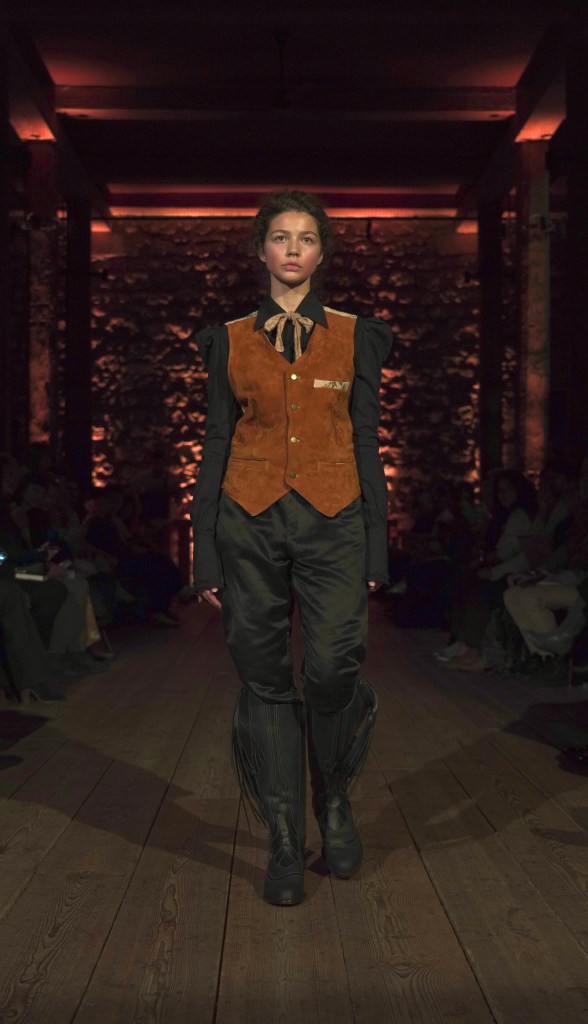
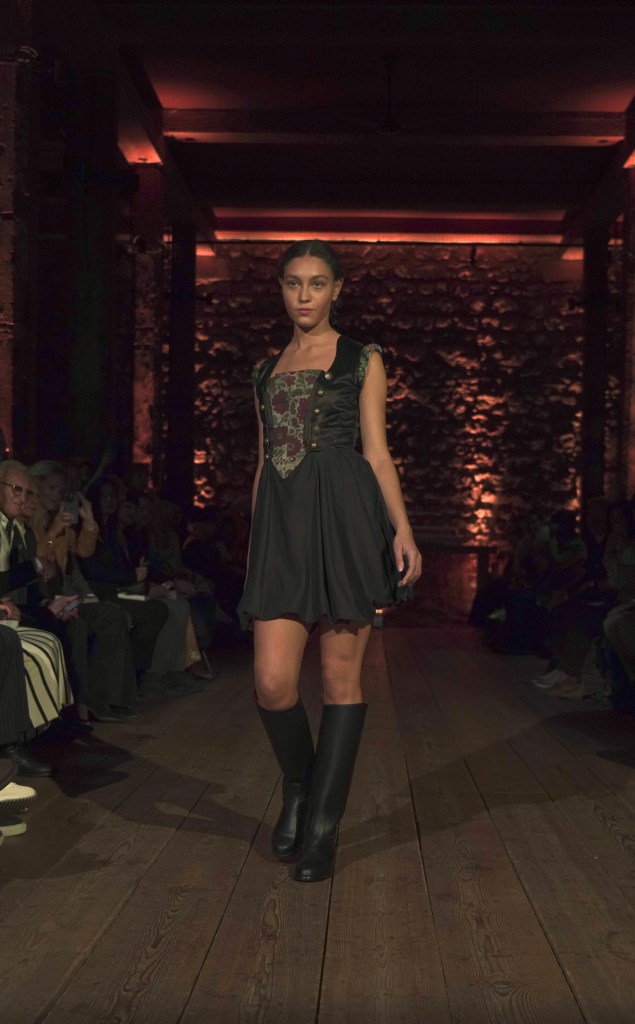
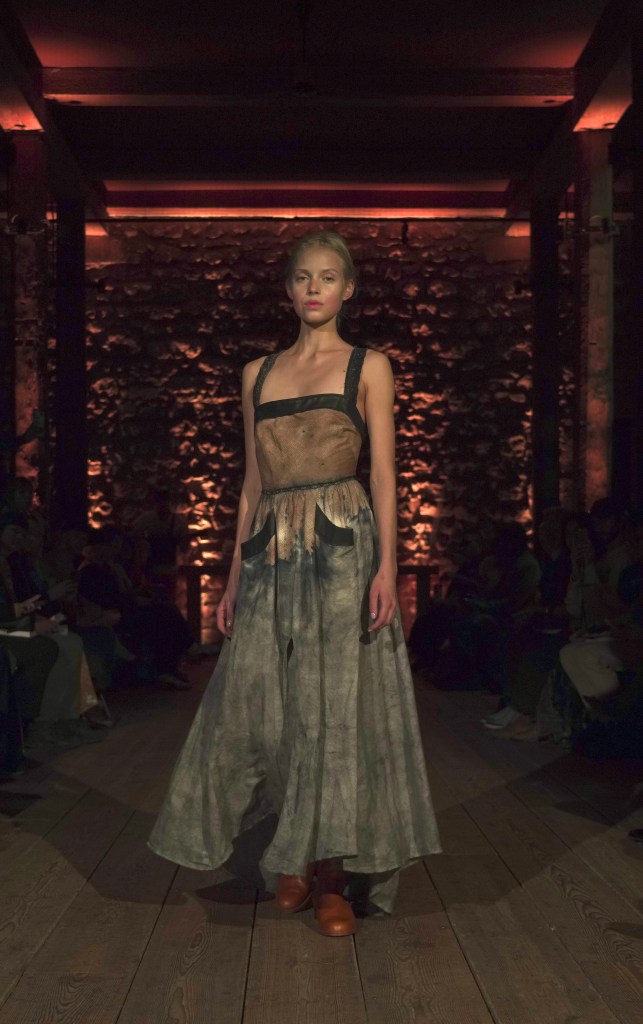
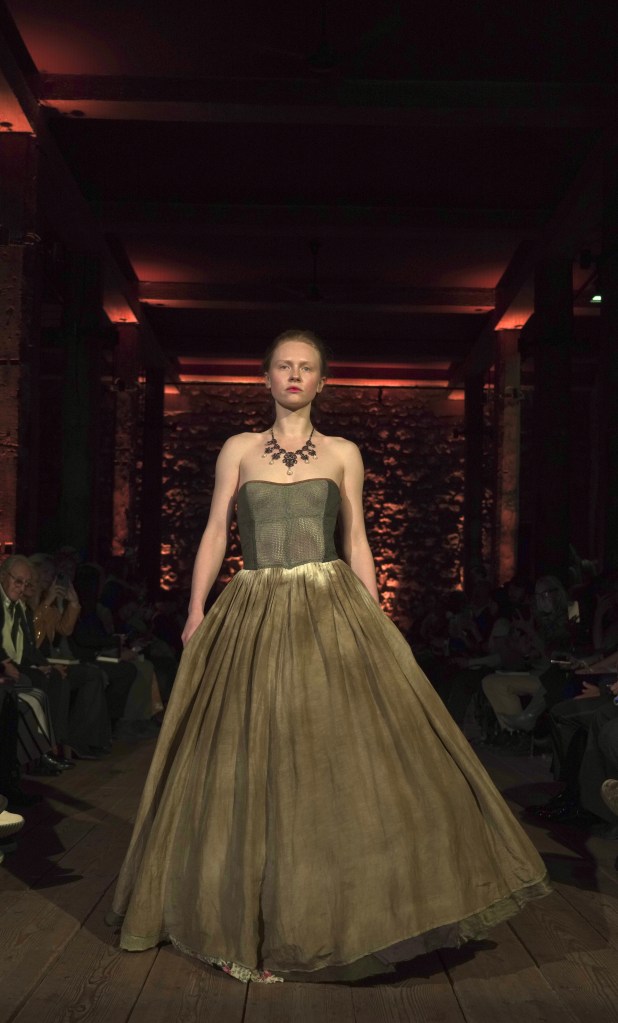
Behind the scenes with Prophetik’s Jeff Garner
Q: Your work always seems to juxtapose craftsmanship with sustainability. For this collection, how have you pushed the sustainable/performance boundary further?
This season I focused on bringing plant-based dyes to the forefront on a runway platform. After working with them for so long, I realized many people still don’t understand where these colors come from. I spent time hand-painting and dyeing skirts and details so the collection truly sings. For me, it’s always been about showing how natural dyes and fabrics can be elevated into a harmonious focal point — and proving they can be just as beautiful, if not more so, than synthetics.
Q: Which techniques or materials in this show are innovations you’re especially proud of, and do you see them influencing mainstream fashion?
I’m especially proud of my hemp underwear, made with plant dyes, organic cotton waistbands, and natural rubber. They outperform synthetics in durability while being breathable and non-toxic. I believe these kinds of innovations can pave the way for natural fabrics and dyes to become more mainstream.
Q: Storytelling is central in your brand identity. What story or message are you striving to communicate in this collection?
This collection, Billy Shakespeare, is a blend of my Southern Tennessee upbringing and my English heritage — country-inspired fabrications reimagined with Shakespearean shapes. My millinery friend Brandon Wise created custom hats, and my Malibu collaborator James Burnett composed the catwalk music, blending a Shakespearean quartet with Americana influences. The narrative is rooted in a time when people took pride in each outfit — in how it was made and what it was made of.
Q: How do you balance ethics (fair trade, eco-materials, etc.) with commercial viability, especially in a high-pressure week like LFW?
I don’t really design with “commercial” as the starting point. Commerciality is often driven by what’s already being demanded, whereas a designer’s job is to create the vision that inspires demand. There’s a disconnect between true fashion designers — who are visionaries — and brands led by numbers. I believe we need to bring back the art in fashion, where ethics, productivity, and wearability coexist. The only reason synthetics are cheaper is the ingredients used. Once consumers learn how harmful these ingredients can be, the shift will come — demand for natural materials and dyes will rise, costs will drop, and plant dyes will become part of everyday production worldwide.
Q: Where do you source your materials, and how do you ensure transparency throughout the supply chain?
I work with historic textile companies worldwide. For example, I’ve collaborated with Madeira lace in Portugal and with Historic Environment Scotland on lace, linen, and wool — including a showcase at Edinburgh Castle. I use hemp from Canada and New Zealand, while many of my dyes come from my farm in Tennessee and my Malibu studio. This season, I also worked with Kate in the Cotswolds to revive Raven Black, a historic dye color tied to the Tower of London.
Q: What role do local craftspeople and traditional techniques play in your process, and how do you adapt them for modern markets?
Every craft is founded in tradition and art. By reintroducing authentic methods within modern silhouettes, we create garments that people actually want to wear while preserving craftsmanship. Of course, there’s always a difference between true design and fast-fashion imitations — a copy of a copy is never as good as the original. But with modern technology, we can bring synergy: for example, adapting machinery for retting natural fabrics or developing plant dyes into powder form for use in conventional dye machines. This marriage of tradition and innovation is where thoughtful design thrives.
Q: How is the reception to your sustainable practices among buyers, press, and consumers at this moment? Has anything surprised you?
People are finally beginning to understand what we’ve been championing for years. There’s a real excitement around it now. I believe we’re on the verge of a renaissance in design — one that challenges the materials and processes currently in use, while inspiring the next generation to create with what we already have and to lean on traditional methods to make fashion into art once again.


 My Goddess Complex
Leave a comment