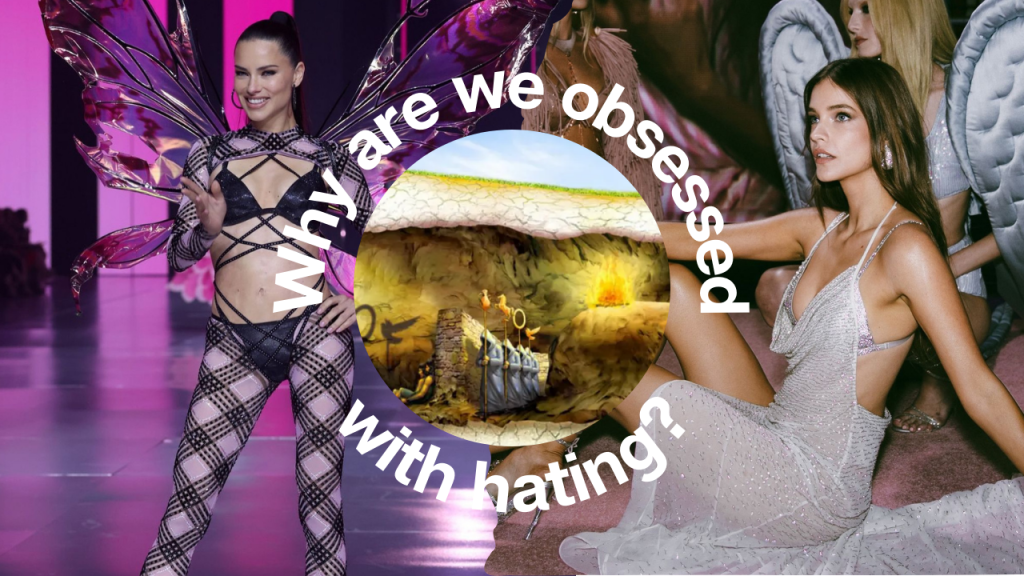
Watch the video on YouTube:
https://www.youtube.com/watch?v=_ciqtMyTS3A&t=1s
The Victoria’s Secret Fashion Show aired on Tuesday night on YouTube and Amazon Prime, landing with very mixed responses. The brand has been flailing since it became embroiled in controversy in 2018, when executive Ed Razek told Vogue:
“If you’re asking if we’ve considered putting a [transgender] model in the show or looked at putting a plus-size model in the show, we have…I don’t think we should. Well, why not? Because the show is a fantasy. It’s a 42-minute entertainment special. That’s what it is.”
This, paired with Hulu’s “Victoria’s Secret: Angels and Demons” documentary, which explored the brand’s ties with Jeffrey Epstein during a time of Me Too, signalled the unofficial death knell of the brand – that only continued to ring with their (very beige) rebrand.
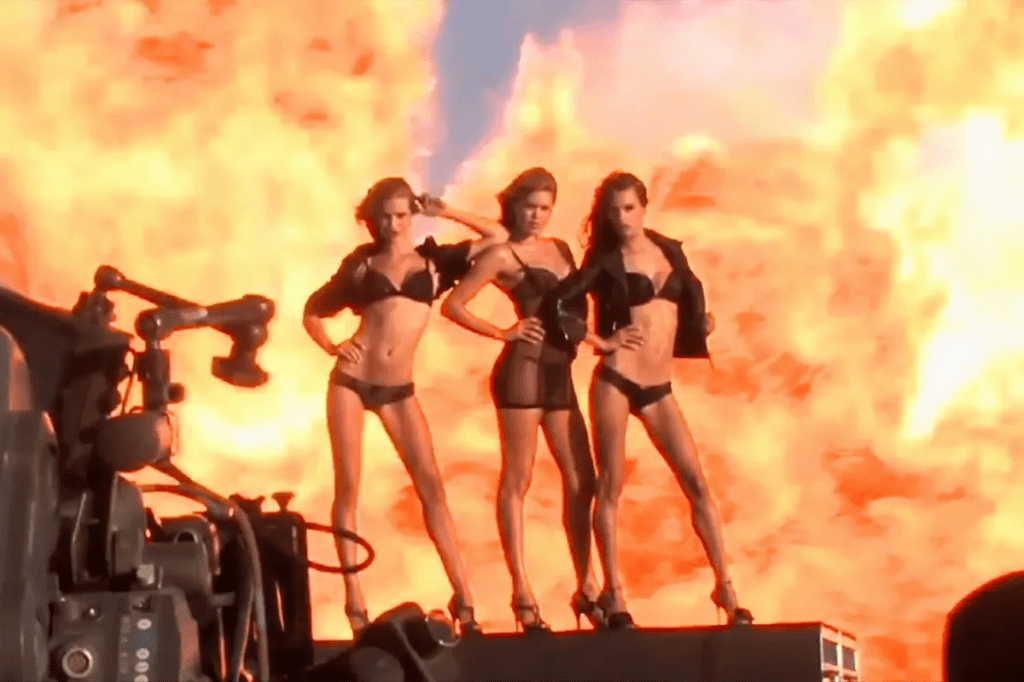
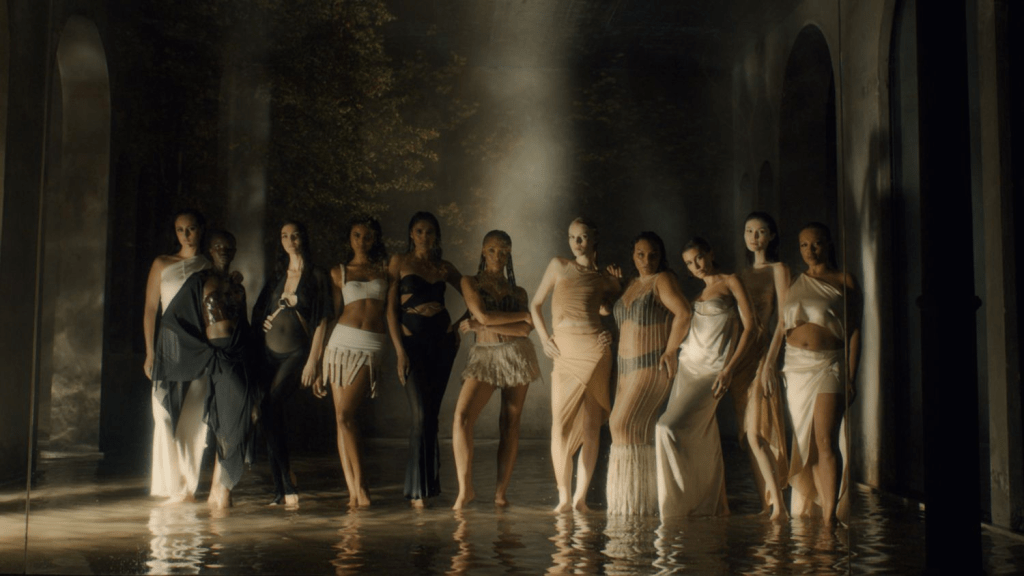
While the next few years certainly incorporated body positivity and diversity into their messaging, the Amazon Prime ‘World Tour’ they launched in an attempt to ‘return’ the fashion show in 2023 was widely condemned due to their unflattering, simple clothes that parroted inclusivity rather than championing it. All we wanted was the glitz, glamour and girliness, just with more representation. Why couldn’t bigger bodies be included in aspirational spaces?
After this highly criticised rebrand, it was given one more chance to make a comeback last night. The question is, did it deliver?
While my expectations were admittedly low, the rise of 2000s nostalgia which empowered the brand to make its return was enough for me to feel a glimmer of the superficial, ‘girlboss’ popular feminism that, while politically hollow, is the fun escape that many felt was ‘healing girlhood’. All we had demanded from Victoria’s Secret was to bring back the same cute, feminine costumes (wings and all) but add inclusivity into the mix.
On paper, that was exactly what they did, with a few plus and mid sized models, Ashley Graham and Paloma Elsesser, trans women, namely Alex Consani and Valentina Sampaio, and many stunning Black women, including the devastating Anok Yai, who were all clad in beautiful frills of lace and gauze.
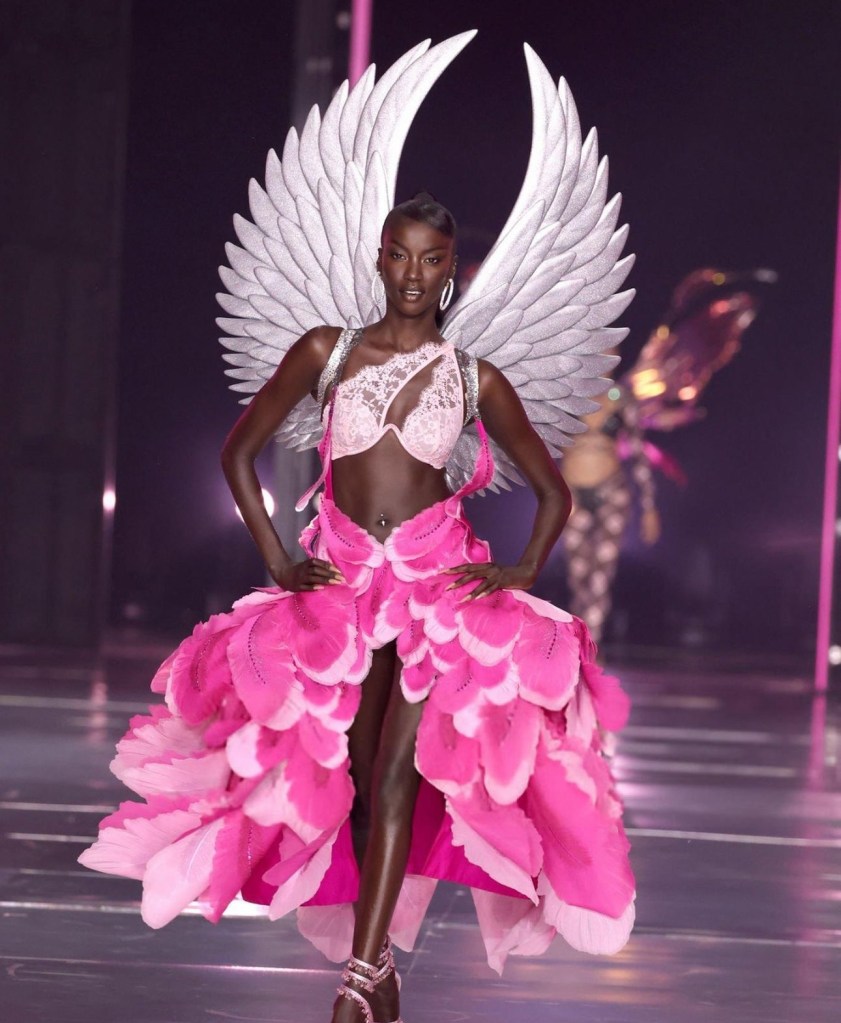
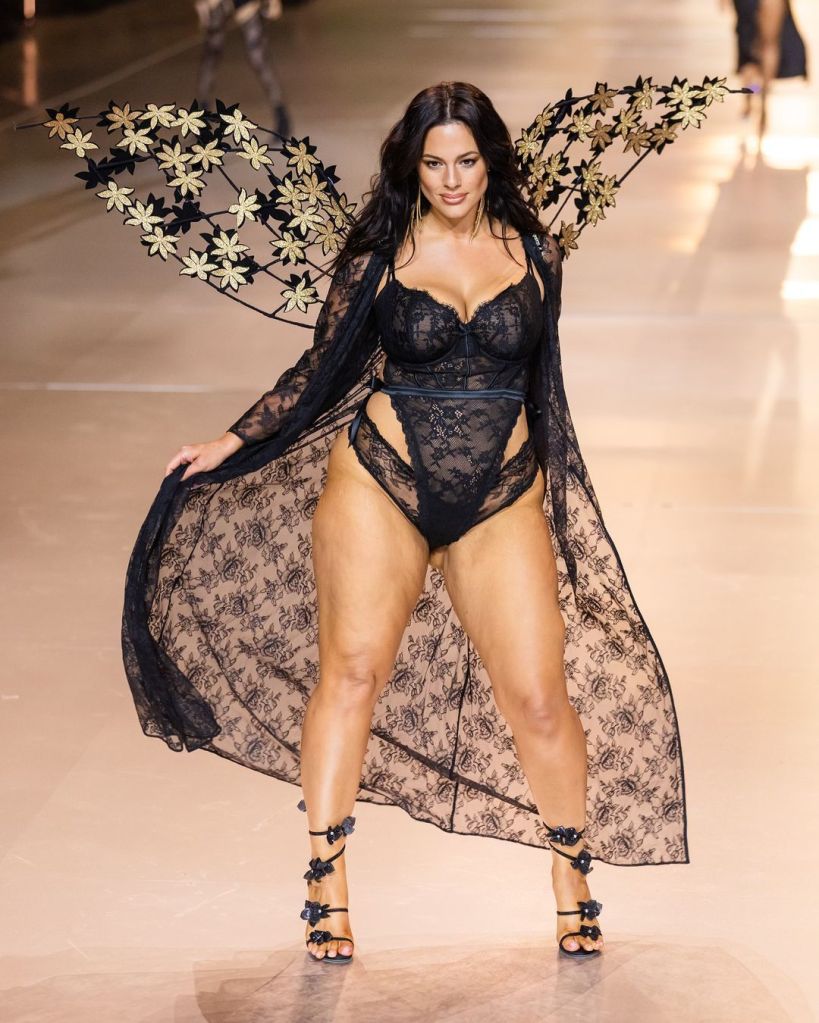
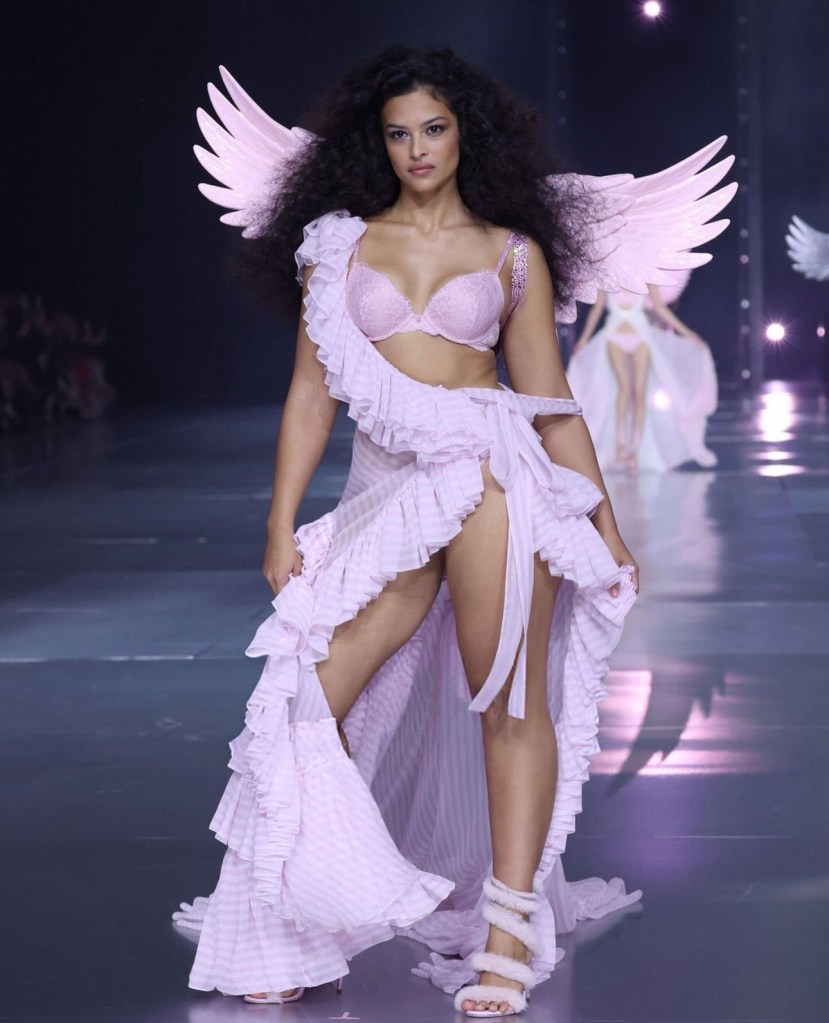
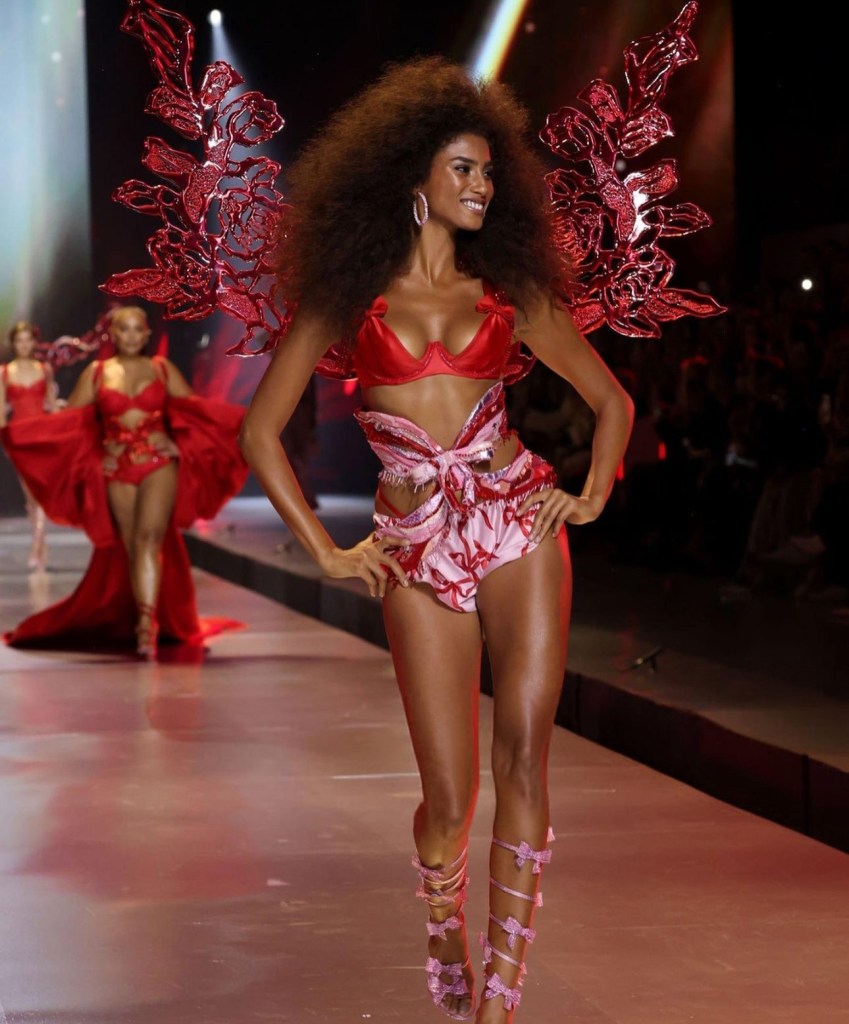
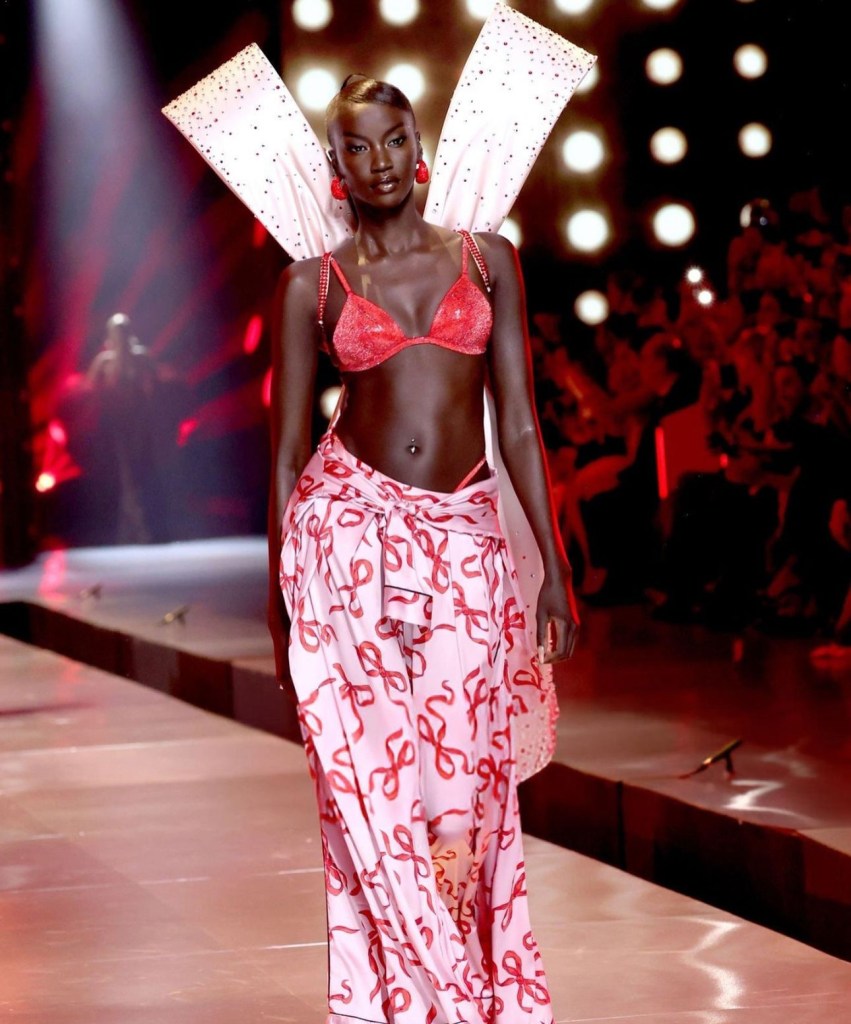
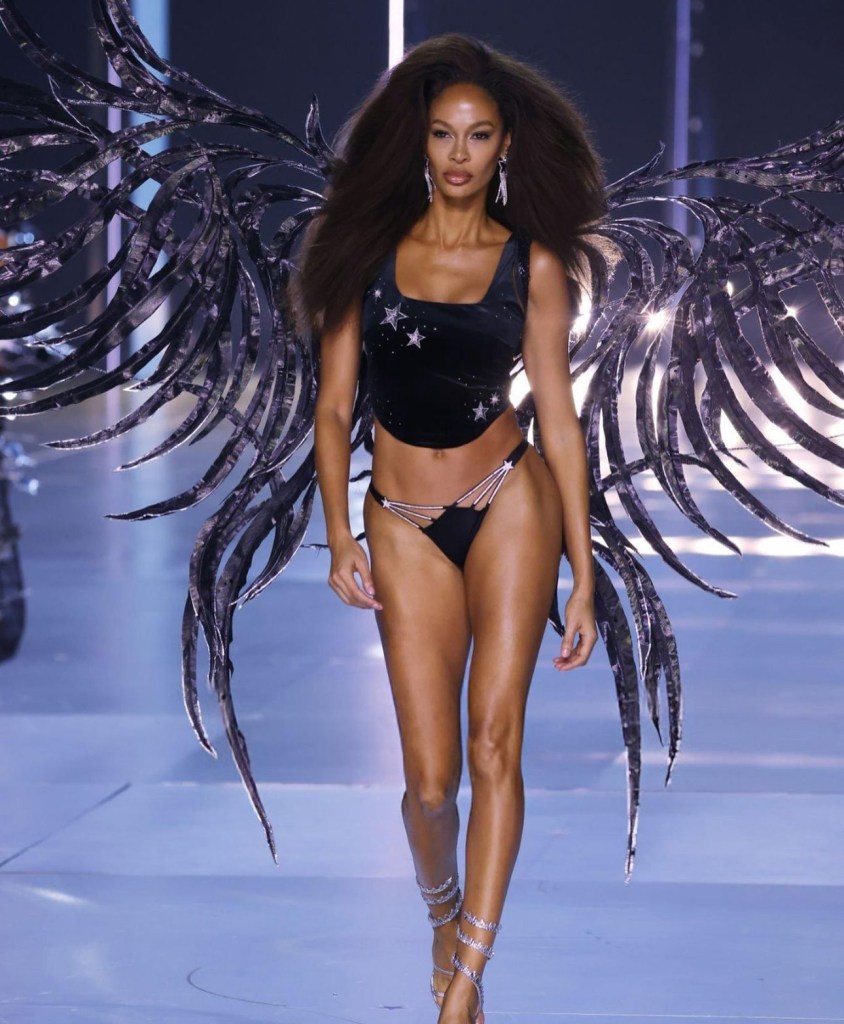
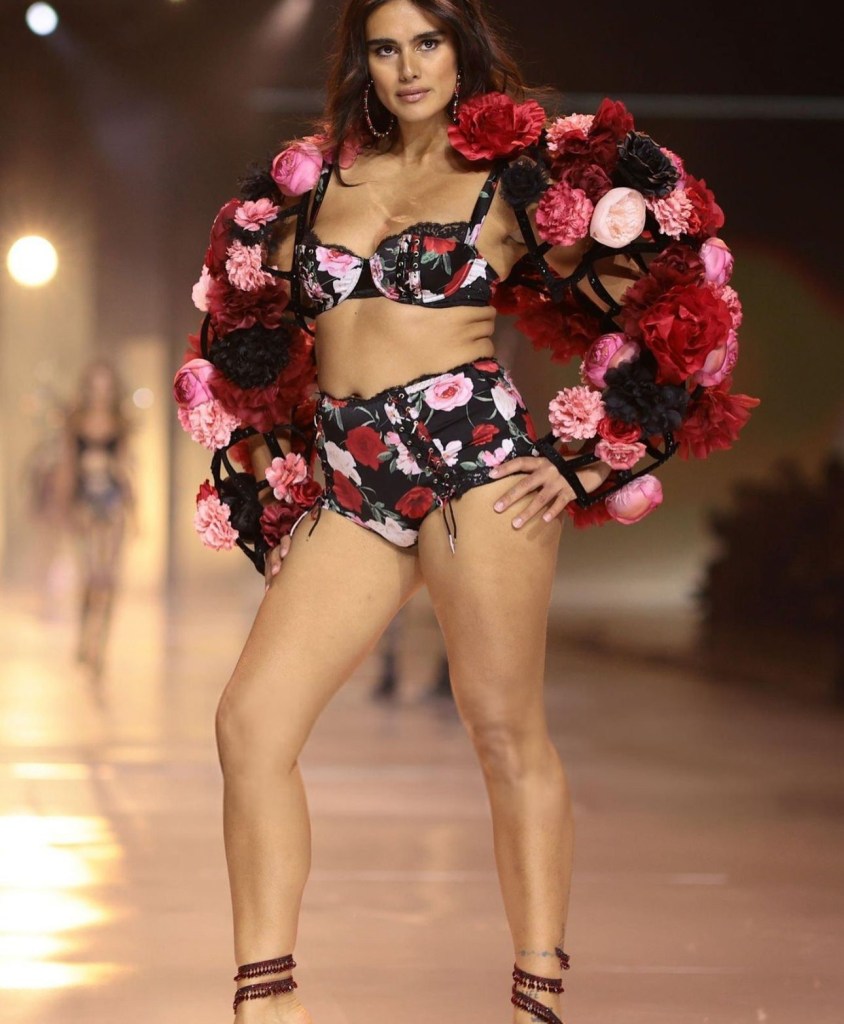
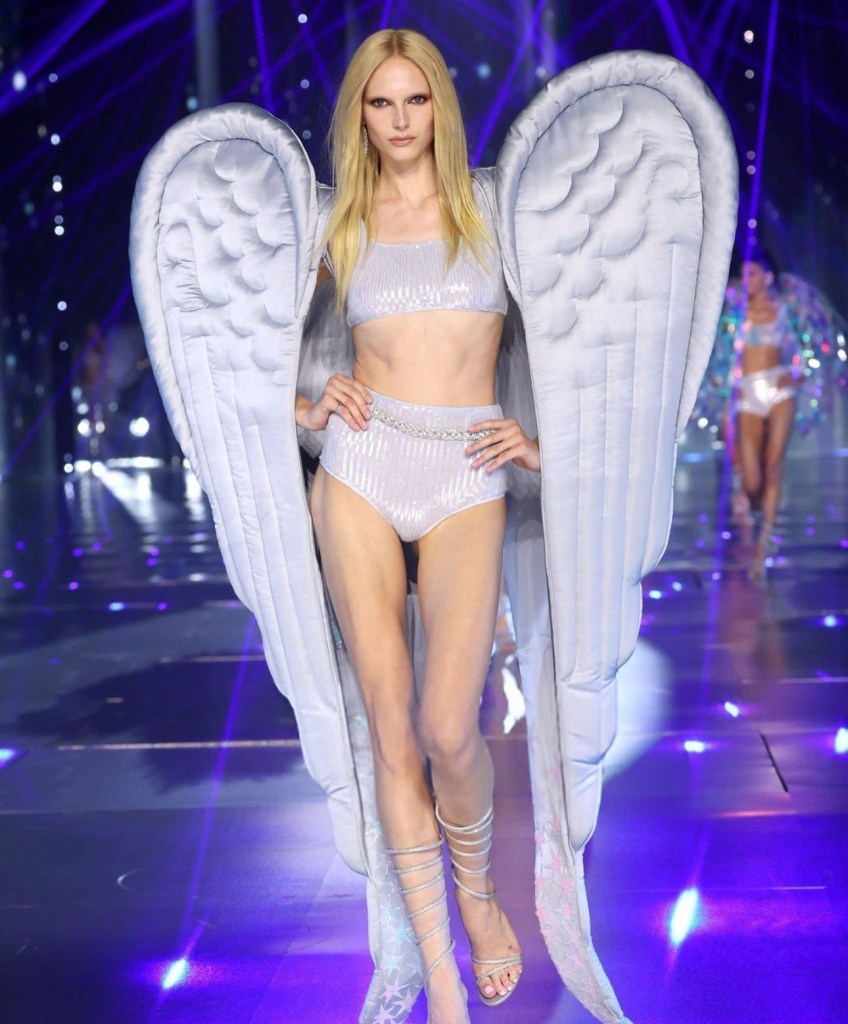
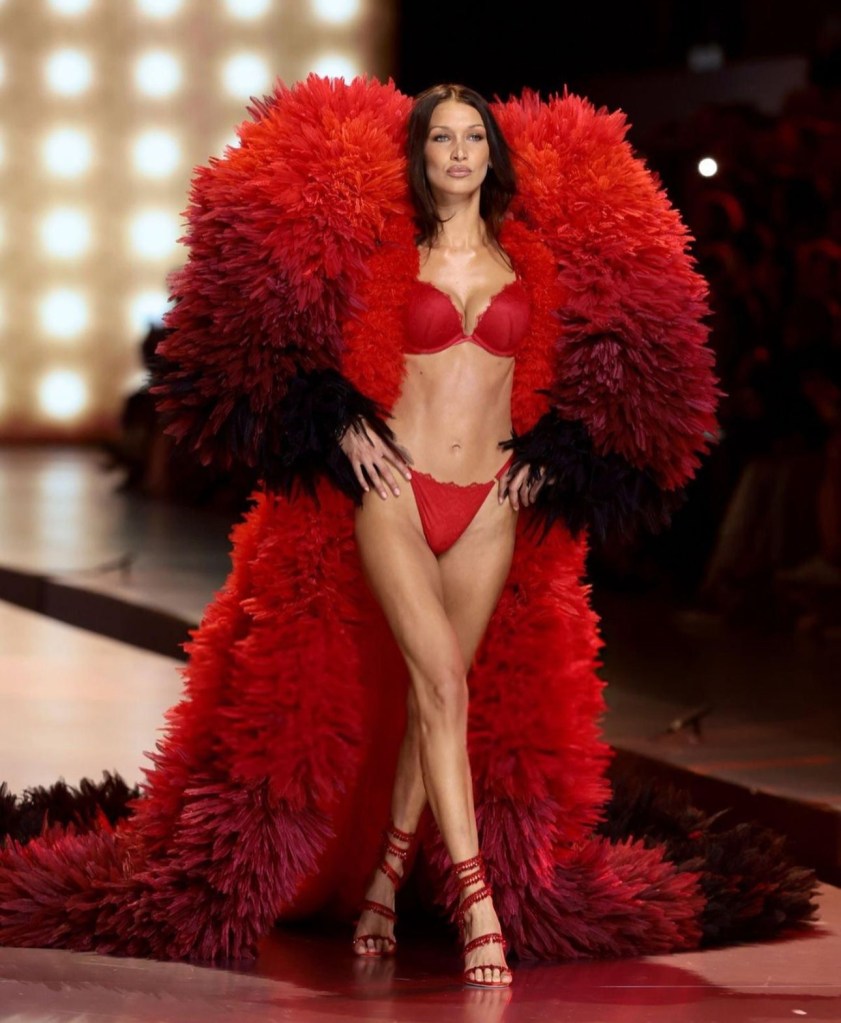
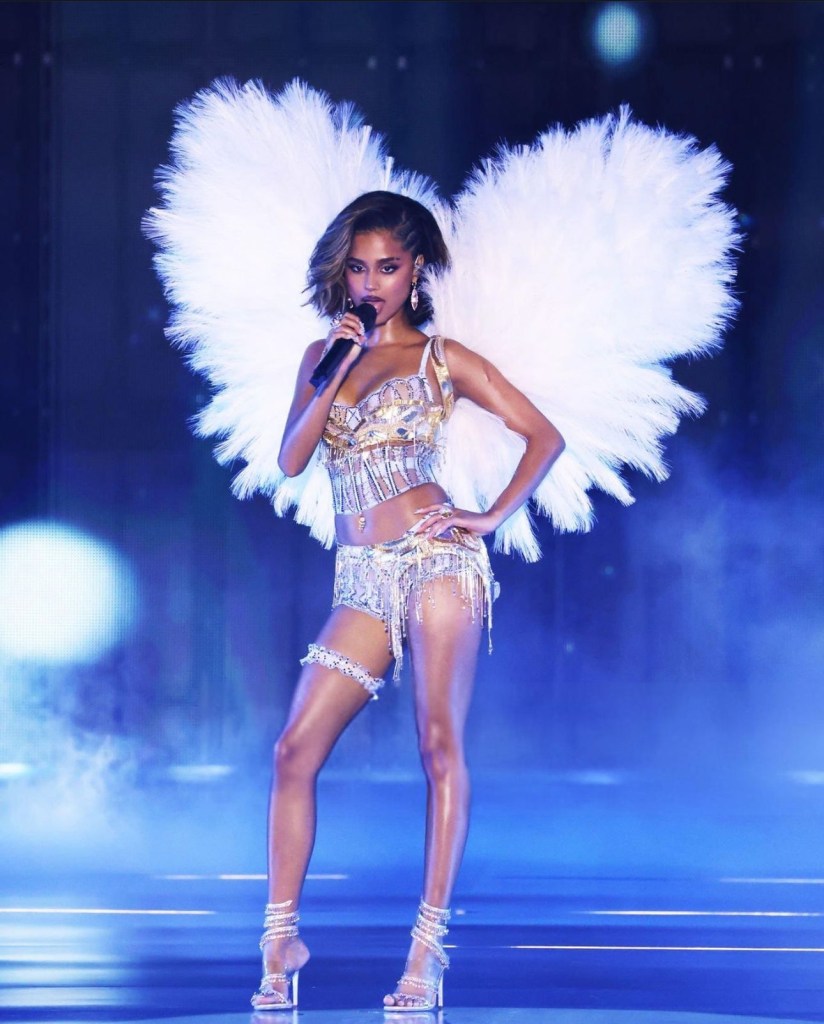
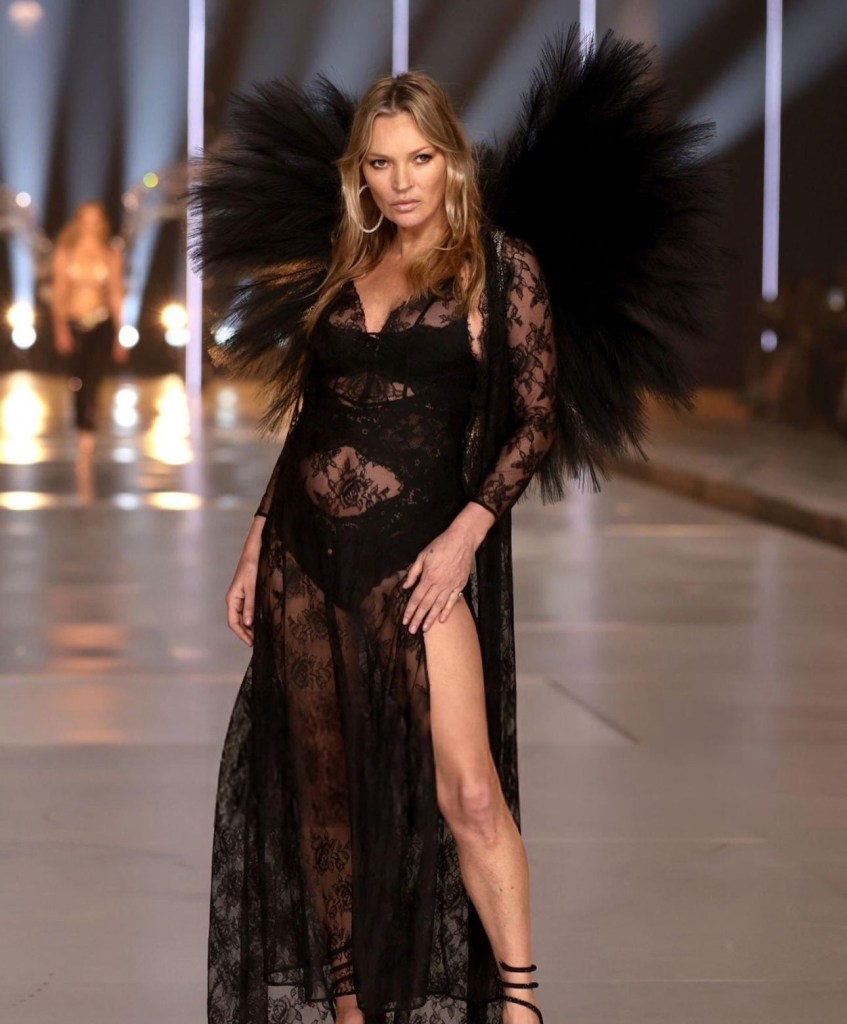
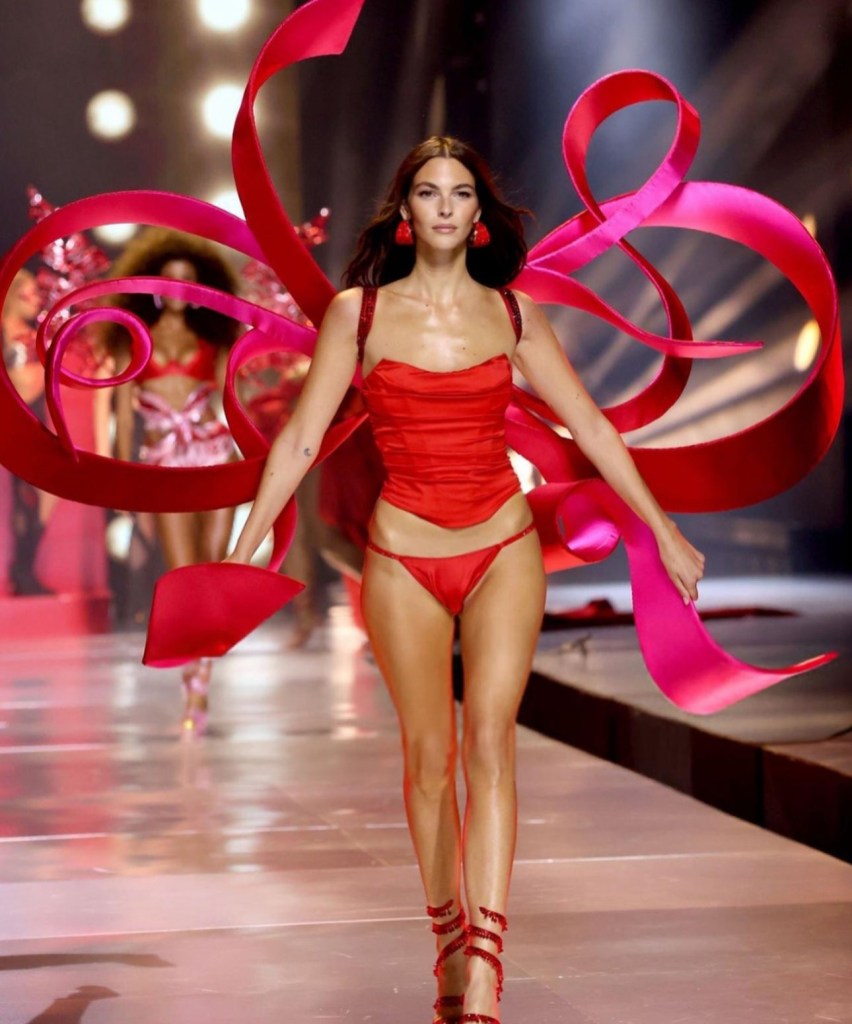
When the models stormed the stage in a crowd of pink, we felt inspired. The all female cast of performers, the creativity, and the unapologetic PINK felt like a modernised version of something we once loved. Even if it felt a bit like a shadow of its former self, it was hopeful and fun news in the midst of constant negativity.
How could this possibly be construed into more discourse when there was nothing particularly offensive or lacklustre about it? The internet, as usual, had the answer to that question. That answer was pure outrage.
Countless comments and tweets continue to complain about the lack of budget, energy, nepotism, blowouts (which apparently weren’t bouncy enough), and representation. Newly resurrected ‘pro ana’ TikTok accounts spewed fatphobic rage straight from Razek’s lips, maintaining that “the models are meant to look unrealistic”, a “fantasy”.
In contrast, there were fair criticisms that the plus sized models were not only few and far between, tokens amidst a sea of thigh gaps, but were also covered in larger bolts of fabric, more demurely cut, than the rail thin newcomers. Tyra also felt out of place, as she represented a generation of toxicity and fat shaming with the years of ego wounding she brought onto young girls through America’s Next Top Model.
I also agree that the original angels, who earned their wings and practically are the brand, needed to be centre stage. Why were Gigi’s wings bigger than Adriana’s, who only closed the first section, and not the entire show?
The outfits were also less artisanal than the 2000s, which had hailed pretty avant-garde themes like ‘Fantasy and Myth’ when the show was its peak, and sometimes arguably leaned into haute couture territory.
There was revelry and blind critique as the collective girly pops morphed into the lovechild of Anna Wintour and the meanest girl in your home town. Suddenly, everyone was a pageant coach, pinpointing the exact specificity of everyone’s walks, with one user going as far as writing instructions to the “heel-to-toe step”.
The uproaring delight in which TikTok users ‘roasted’ models’ walks and even looks, enacted a mix of ‘schadenfreude’ and ‘freudenschade’.
Schadenfreude is the emotional experience of pleasure in response to another’s misfortune. In contrast, freudenschade refers to one’s displeasure at another’s happiness and is involved in envy, and perhaps jealousy.
With every stone that we collectively threw at this relatively insignificant event, our pleasure increased. Everything and everyone that was deemed sub-par was analysed and discarded, to mask our own feelings of envy and displeasure at seeing the beautiful and successful gain recognition. In short, everyone was throwing tomatoes. Some deserved, others not so much.
One of many viral TikToks stated, “the new VS fashion show was gross, there’s no wings, no runway, no artists interacting with the angels, no real supermodels, the thing that made VS angels so unique was that they looked so unreachable, they make modelling look like a joke.”
“The models look so bored…I don’t understand why only like 5 models look excited to be there,” a user noted.
“They could still be diverse and bring back the fun, glitter, wings and general glam of the whole show.”
The hate went beyond mere ‘vibes’ and ‘aura’. Under a Vogue Instagram post, someone said of Doutzen Krous: “she looks like she’s 50, not 39. She shouldn’t have turned into a terminator.”
Another bit back, “To all the people commenting on the older women not having the same energy… I see this A LOT with women my age (40+). Women are not as interested in being flirty and sexy anymore after settling down, with kids, bodies and priorities chang[ing].”
However, one of the best things about this year’s show was that they brought back ageless beauties like Carla Bruni and Eva Herzigova.
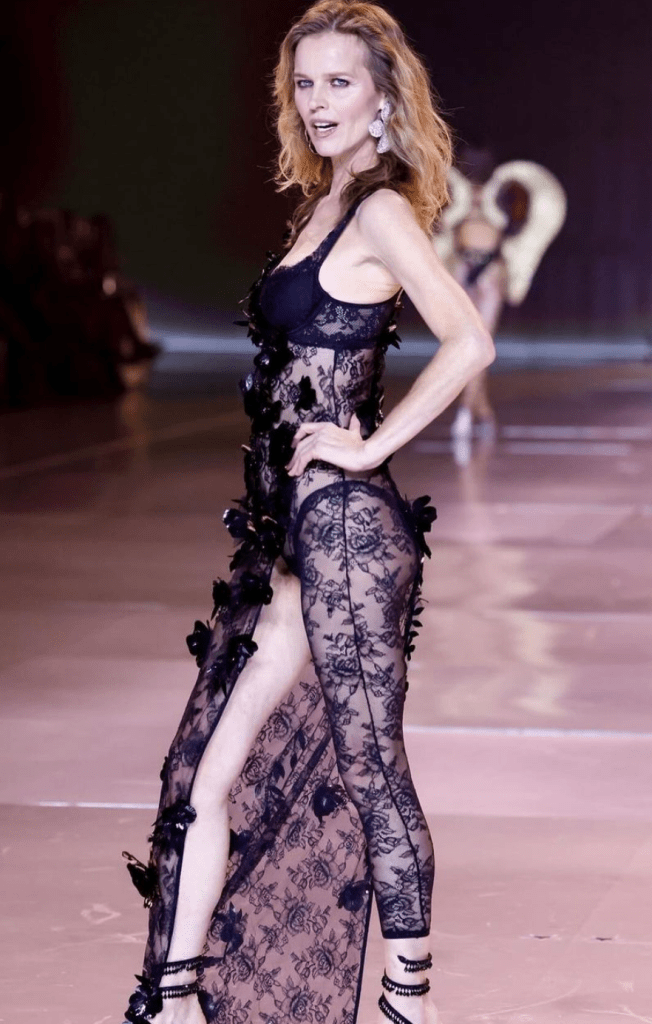
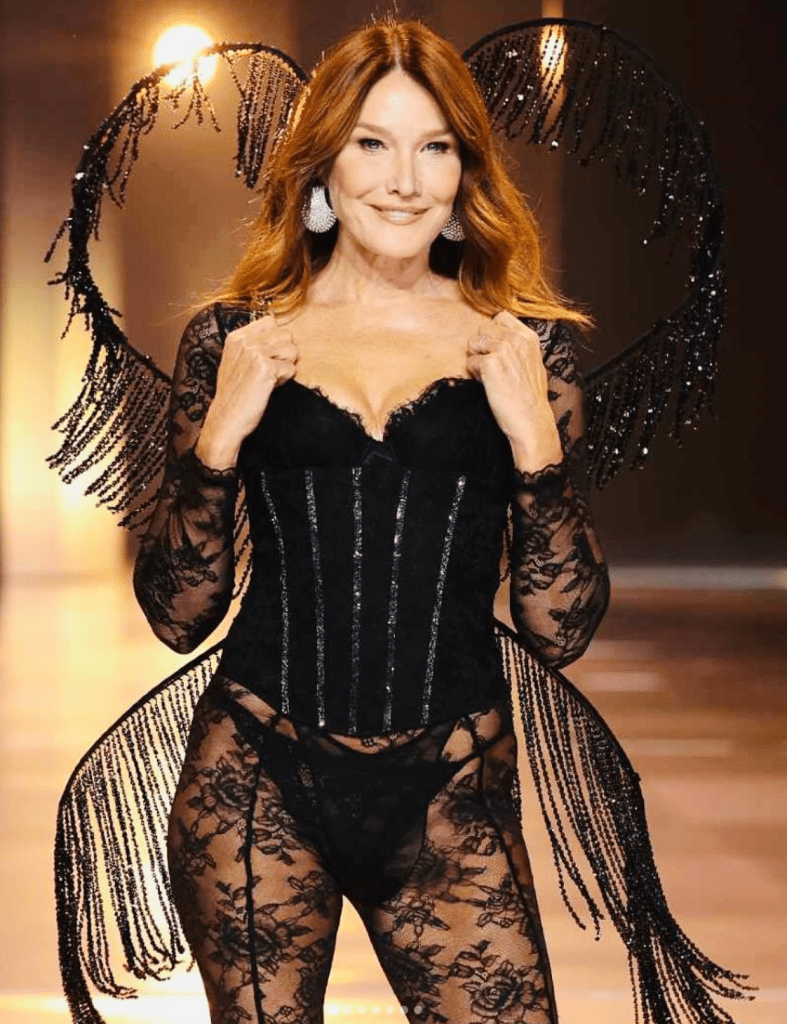
This girl on girl hate perpetuated by TikTok, and migrating to Instagram where comments like this have become a trend, is undeniably rooted in internalised misogyny and ageism. However, the unanimity with which it was spewed implies that there is something deeper than mere fashion reviews.
There was admittedly a slightly plastic gleam about the new show, but logic should tell us that this may only be the start of a comeback, and Victoria’s Secret may need time to revive the same magic after falling so far from the top.
The real question is, why are we SO obsessed with hating it?
This criticism isn’t simply because the internet is a breeding space for jealousy and insecurity. As the economy is plunging and wealth divides are growing, people are tired of being pigeonholed into the identity of consumers forced to gawk at the rich, famous and beautiful elites at red carpets like the Met Gala and numerous Fashion Weeks.
What seems like petty critique overscores a sort of “digital guillotine” where we ‘punch up’ in spaces that we’ll never have access to. Events that used to bring us fun and joy are another stage for superficial disruption.
Earlier this year, influencer Hayley Bayley posted the now infamous “let them eat cake” TikTok at the Met Gala after party, where she was dressed like Marie Antoinette. This generated an internet-wide protest, where thousands of social media users armed together to perform a ‘digital guillotine’, where they blocked celebrities and influencers who refused to speak up about the ongoing Palestinian genocide.
According to Social Blade, a website that tracks follower and following statistics for several social media sites, Kardashian lost 44,000 Instagram followers when a disparaging TikTok was posted to rally users – and the following day she lost 123,000.
While what’s happening now isn’t exactly the same thing, it’s another instance of mass critiquing an event that used to be fun. Hate gets more clicks, and it’s understandable why video titles and comments would skew towards the negative. However, maybe my memory fails me, but we used to lap up these kinds of celebrity events in the 2010s.
This begs the question: is pop culture and entertainment getting worse, or are we simply growing tired of consuming, living a vapid existence through the lens of the elite to distract from our own struggles and depressing global issues, like wars and climate change, in a postmodern society where nothing is new anymore. How can we be expected to applaud what we are forced to live through and be distracted by?
We seem to be experiencing hollow, ‘diet’ lives, living through the illusions on our smart phones like the people in Plato’s cave. Plato used his allegory of the cave to argue that we all resemble captives chained deep within a cavern, who do not yet realise that there is more to reality than the shadows they see against the wall. This was intended to explain his Theory of Forms, which questions why we accept appearances as reality.
However, the digital age has taken us one step further. Now, we are like the shadows on the wall who are watching the prisoners live their lives, living not only through an illusion, but illusions of illusions.
We have become so obsessed with the digital sphere to escape from our primary ‘illusion’ (our corporeal reality) and dive far too deep into a secondary illusion (a screen showing us reality). Now, we have stooped so low as to applaud those that are actually living their lives, managing the itch to grab their phones and resist dopamine, as kings amongst ‘normals’, who, conversely, choose to ‘clock in’ to TikTok, Instagram and X every day. The holy trinity. We literally watch our favourite vloggers live their lives on YouTube as we mourn our own ones.
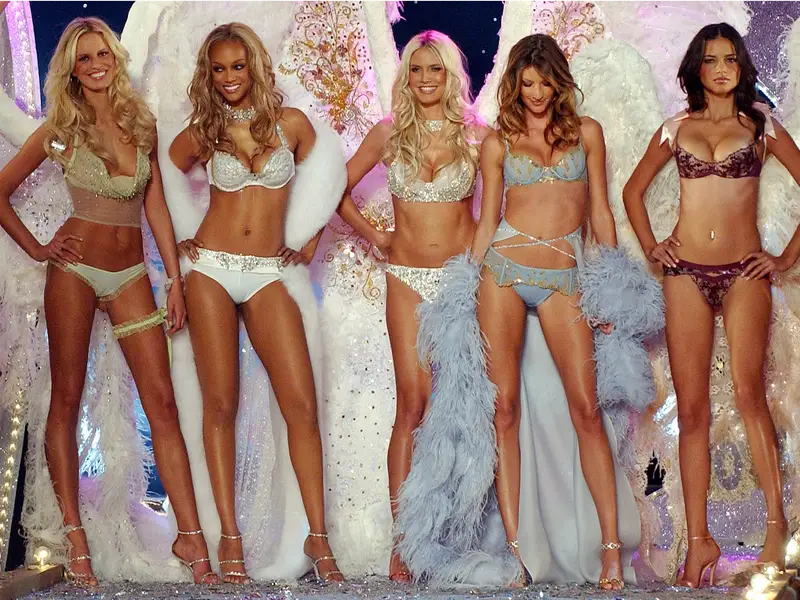
This is why the ‘old’ Victoria’s Secret will never return in late stage capitalism, regardless of how many fantasy bras or stages the brand invests in. The real issue is that we are investing in brands as people, as entities, as philosophies, which provide just enough sugary dopamine to keep us wanting more, but never true satisfaction.
Instead of futile critiques, our animosity should be reserved for the valid complaints about the brand and what it’s ultimately successful comeback implies. That if you’re girly and performative enough in your representation, you might just be forgiven for crimes that perhaps shouldn’t have been this easily forgotten. Even if you’ll be slapped on the wrist for not being ‘fun’ enough this time around.

 My Goddess Complex
Leave a comment