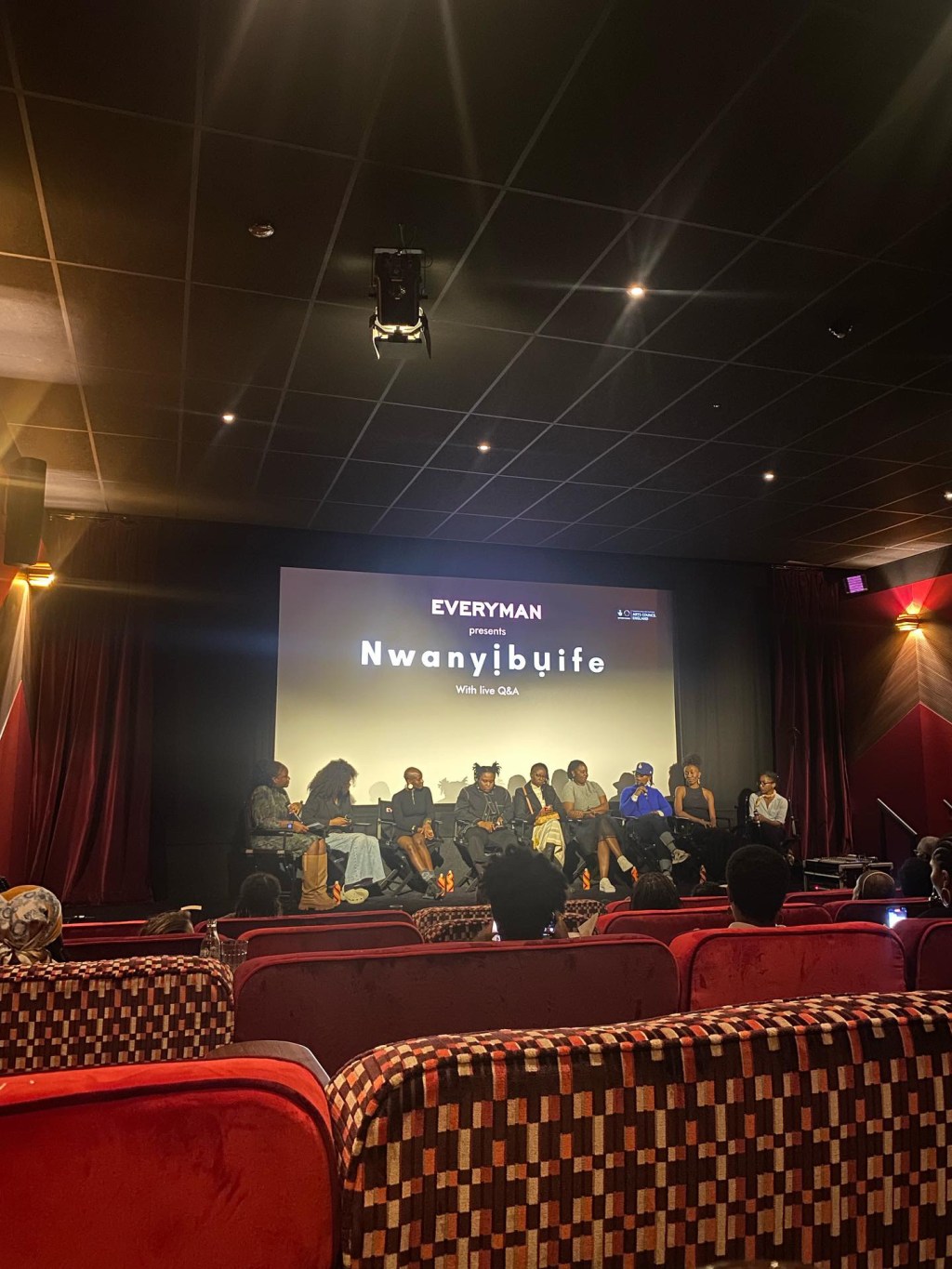
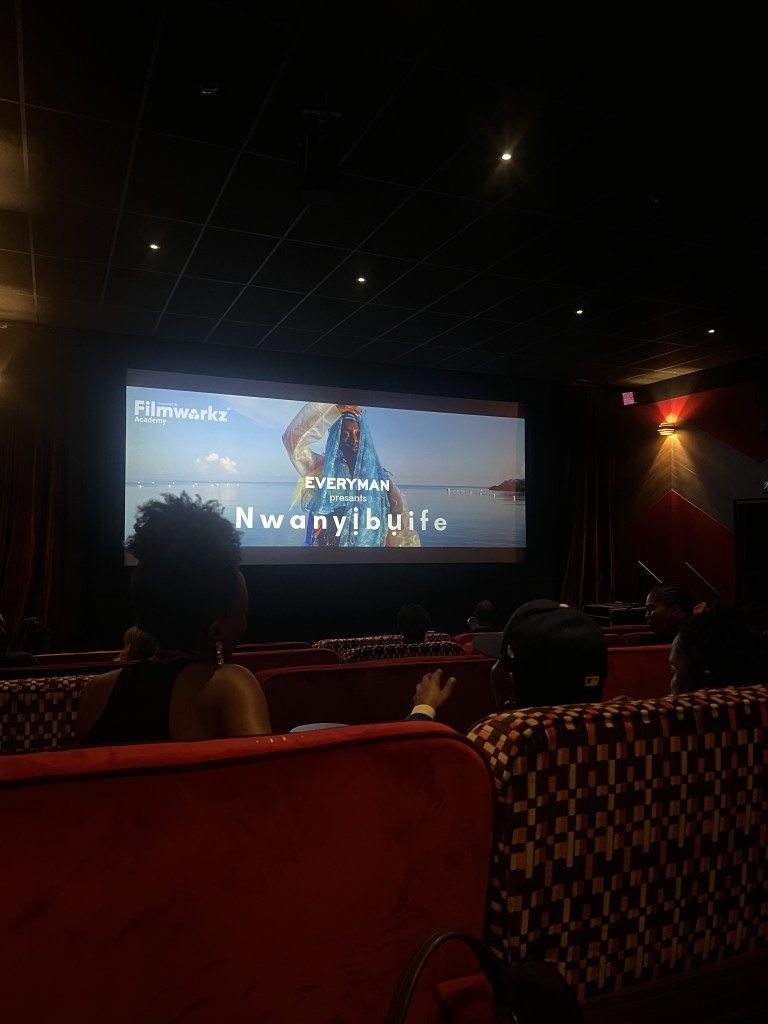
Nwanyibuife, to mean women are valuable, and women are treasure, in Igbo.
This wonderful short-film and documentary was curated and directed by Chin We, looking at issues of heritage and identity, motherhood and mental health, family and community, LGBTQIA+ and climate change.
In one hour, Chin We was able to depict the lives and experiences of seven Black women who filmed themselves in the UK, Nairobi in Kenya, and Jamaica by the beach. The cast included:
- Adaeze Ihebom, an Italian-Nigerian visual artist
- Elsie Kibue-Ngare, a Kenyan-British photographer
- Theodorah Ndlovu, a South African born photographer
- Wamaitha Ng’ang’a, a Kenyan-British multidisciplinary artist
- Chisara Agora, an inter-disciplinary artist from London, who filmed in Jamaica
- Ibidola Sogbesan, a visual artist and storyteller taking inspiration from her Yoruba culture
- Rethabile Melato, a South African Queer multidisciplinary artist
The film encompassed several languages, being narrated in native mother-tongues of Swahili, Swati, Lesotho, Kikuyu, Patois, Yoruba, Igbo, Italian, and Spanish, and shown in English subtitles.
My favourite moments included Elsie’s scenes discussing motherhood and community, from how she keeps pictures from her childhood in Kenya to show her young children now as she captures their childhoods with her in the mother role. She commented on how community is much stranger in the UK — at least in a big city — in comparison to back at home, where kids would play outside with the neighbours, whereas in London, she has to arrange month or two in advance play dates with her close friend’s children because they live in a different part of the city.
Theodorah’s sections of the film on LGBTQIA+ support from African parents, even featuring her dad, who works in mental health support, and takes a stand for his daughter was a nice side to see from the usual stereotypes and sometimes reality of the non-accepting ethnic parent. “God is not limited to your understanding — you’re not in His mind,” they declared in the Q&A afterwards.
Wamaitha’s filmed scenes in the Nairobi farms, in conversation beside her late grandmother, and mum was another favourite part of the film in how it brought attention to the impacts of climate change on the Global South. Later in the Q&A, she said: “Rural women should be at the core of the conversation when it comes to adapting and mitigation of climate change, which is not happening.”
Ibidola beautifully filmed her scenes with religious undertones, as she wore a white veil whilst knelt down by her bed and in the woods, praying for support to get through and come back to herself. The scene where she bathed herself slowly in the bath and sported her bare head was moving to say the least, and later, she touched on the issues of postpartum depression and struggling with thoughts of suicide.
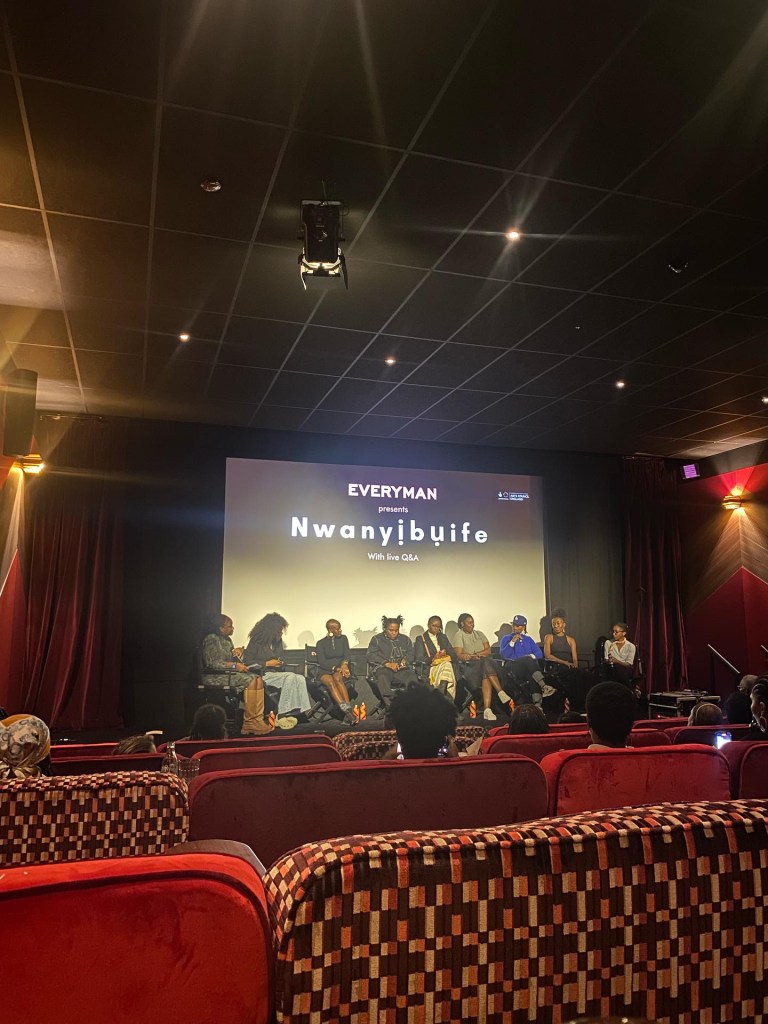
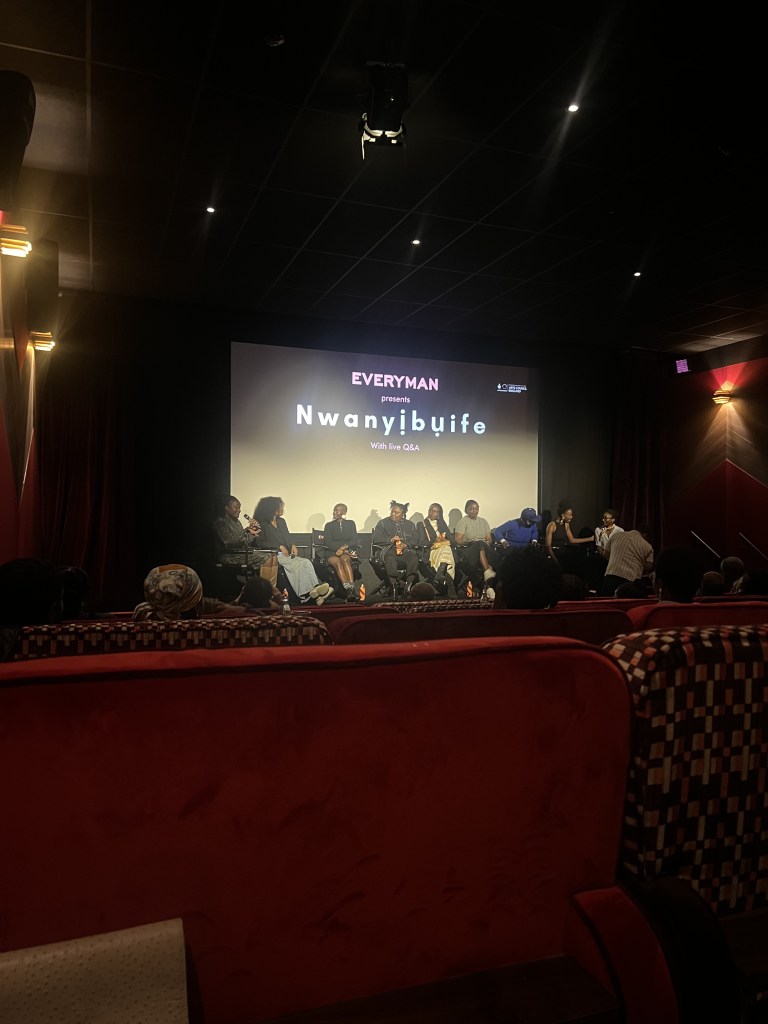
Following the Q&A, My Goddess Complex spoke to Chin We, congratulating her on her work that was able to be made and presented via funding from the Arts Council England.
“[I wanted to] share stories of women from the femxle perspective. The stories of identity and heritage and also the experiences of Black women in the African diaspora.”
Chin We wanted to bring women’s stories alive.
“Nwanyibuife, it’s a popular female name in the Igbo tribe, it can mean women are heroes and at the forefront of society.”
Nwanyibuife was showing at the Everyman Cinema, Kings Cross from Thursday, 12 October to 19 October. It will have an extended run in Manchester’s Everyman Cinema from Friday, 20 October to Thursday, 26 October.


 My Goddess Complex
Leave a comment